by AlperSarbak | Jul 7, 2023 | Blog
In fiercely competitive markets, the quality of companies’ products and production is a factor in their success. Because companies must create and develop the necessary quality. “Quality means a product or service that fully meets or exceeds our expectations.” Technically, quality is the sum of product and service features that satisfy a clear need.
Accordingly, there are two issues that companies should consider when creating quality; identification of consumer needs, creation of products and services suitable for these needs, and defined demand. Healthy communication should be established with the consumer to determine consumer needs, and possible changes in consumer demand should be reflected on the product quickly to ensure the continuity of this relationship.
For businesses to be successful in competition, they must produce according to consumer characteristics (demand). The concept of the process, which is effective in producing the product and determining the quality of the product, and the reasons for the change in the process are discussed. It shows the application of statistical methods in process control and systematically demonstrates the application steps of statistical process control.
Another qualitative measure used to calculate machinability is tested with the Cpk index, which double-sided technique that checks the proportion of products exceeding the limit corresponding to different Cpk values in the case of characteristic limits. Cpk Estimator calculated Cpk. He showed that in the case of a one-sided specification limitation, a normal distribution table can be used to calculate the percentage of defective products. As can be seen, for companies to offer the desired level of quality, products must be designed according to features that represent consumer expectations. Therefore, the ability of the manufacturing process to produce products to specifications must be constantly tested. This evaluation can be done with process competence indicators.
With process capability indicators it is possible to determine to what extent the process meets specifications for normal and abnormal distributions. Thanks to the periodic calculation of performance indicators, this process can be monitored continuously.

Process Concept
Process refers to the stages required to produce a product or service. In another definition, people, machines/equipment, raw materials, production methods, and production environments come together to form the product. As the definitions suggest, a process consists of several elements. These; Process, materials, environmental conditions, operators, and inspection 3. The concept and determination of process variability We have said that a process consists of several elements.
These factors are a source of variation in the process. The change affects the quality of products and services created in the process. Therefore, process variation must be carefully monitored, analyzed, and therefore controlled. The causes of change in a process are divided into two groups.
Process analysis is extremely important in increasing efficiency, which is the primary purpose of process control. Technically, productivity is defined as the ratio between output and input. Here, outputs are represented as goods or services produced, and inputs as resources used to produce that good or service. For resources to be converted into goods or services, they must go through a production process.
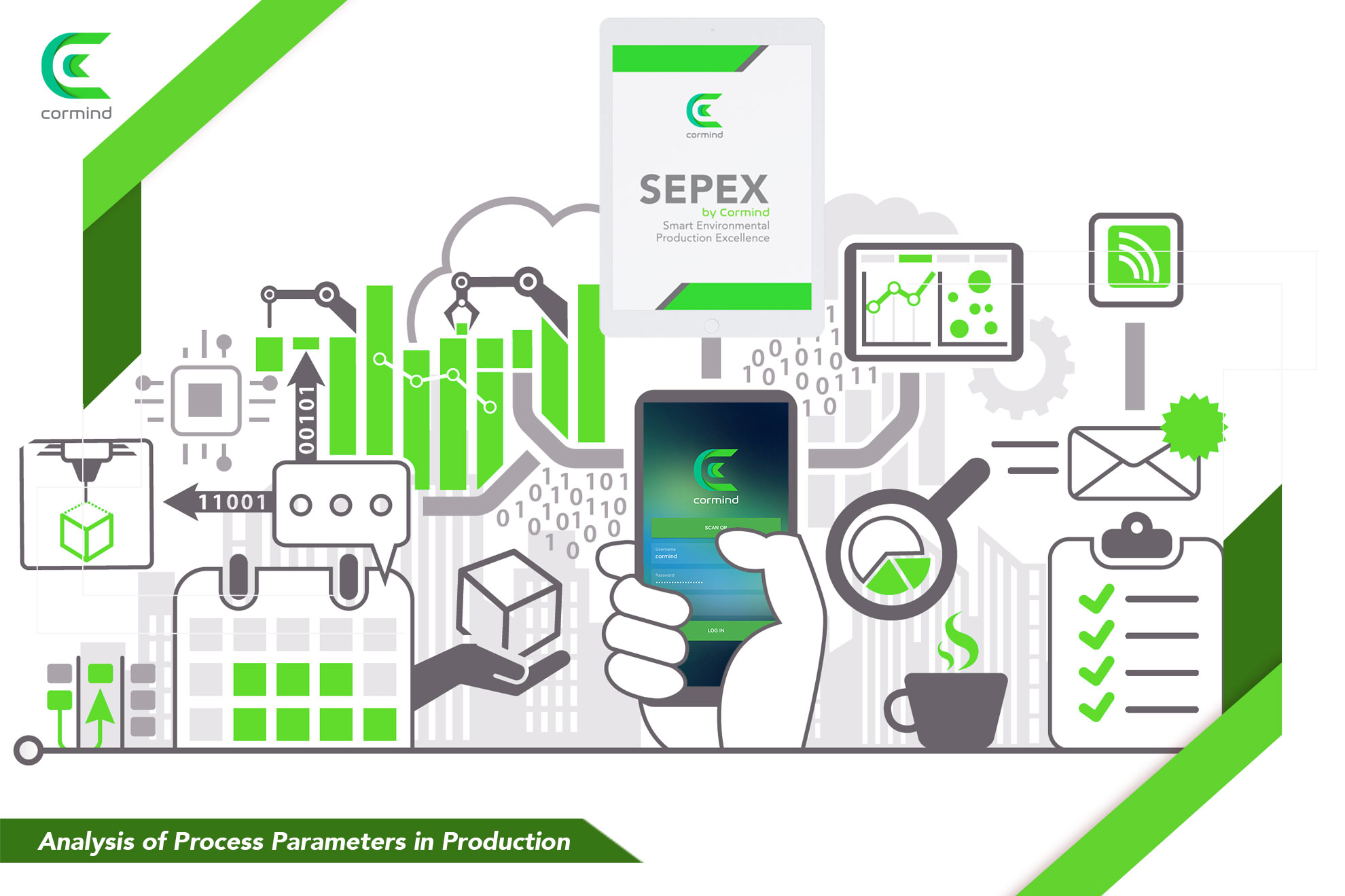
Events that occur during production are analyzed using special artificial intelligence algorithms. Things that do not add value to production will be discarded. The data to be used in production is produced by optimization and modeling. From the moment this data is recorded, automatic learning takes place. These events are automatically executed continuously in the loop, which improves efficiency.
Process in Production
It is widely used to measure the performance of a production process. The quality indicators of the Cp and Cpk processes used were examined. For this purpose, after explaining the theory, an application was made on randomly taken samples from a textile company on certain days and hours.
The lower attribute limit is 29 and the upper attribute limit is 30, determined by the manufacturing process itself. Results are expected to show an average of 29.5. The following results are obtained when samples are tested daily.
- 1. day: Cp=0.416 and Cpk=0.283 *This operation is not sufficient.
- 2. day: Cp=0.354 and Cpk=0.226 *This operation is not sufficient.
- 3. day: Cp=0.450 and Cpk=0.360 *This operation is not sufficient.
- 4. day: Cp=0.642 and Cpk=0.240 *This operation is not sufficient.
- 5. day: Cp=0.670 and Cpk=0.690 *This operation is not sufficient.
Cp and Cpk must equal 1.33 to decide whether the operation is sufficient.
should be larger. Here it is clear that this method does not comply with this standard. For this reason, necessary modifications should be made in the process and it should be ensured that the manufacturing process is within the specification limits. For a manufacturing company to continue to operate in the market, it must calculate the process capability metrics, which are accepted as the performance criteria popular in the sector, and show that its process meets these ratios.
risk estimation in project management
Team Time Estimation During Risk Analysis
Process risk analysis is applied in organizations at many stages such as R&D, design, evaluation, operations, and decommissioning. The analytical tools used mature the project in terms of risk and operability. Using the right tool ensures that expectations are met without being active. In addition, the estimated time for the risk analysis of the process is close to real-time, which means that the budget and calendar allocated for the analysis are not biased. Of course, the most important factor influencing a process hazard analysis chart is the complexity and scale of the process being evaluated.
However, the effectiveness of the team that will conduct the analysis is also important. Working hours would be close to ideal with a team with technical training to implement and in-depth knowledge of the process being supervised. The contributions of different disciplines to the analysis are of course valuable, but the number of people reaching levels that will cause deviations in the program will negatively affect the dynamics of the entire study. (You can also check the article in this link: https://cormind.com/kaizen)
Here it is possible to schedule additional sessions to technical sessions as an example of good practice. The action plans to be implemented in the analysis sessions, which can be implemented in the meetings with the experts, will be revealed in the form of sub-sessions. The study can be improved by getting answers to certain topics with sub-sessions.
The process of identifying hazards and reducing risk to acceptable levels is one of the two essential elements of integrated process safety. As with all processes, engineering risk management should be a management that does not depend on individuals and systems.
- In this context, organizations should establish a process to identify and assess security lifecycle threats.
- Which tools will be used at which stage of the project,
- How to train personnel with technical knowledge in organizations,
- What is the technical leadership capacity of the specialist,
- What specializations should teams have,
- How to limit the number of people eligible for engineering?
should be able to answer the question.
Process Analysis and Optimization
Although the analysis of data with statistical methods in process analysis is a separate field in itself, the use of some common methods in the field offers significant advantages in process analysis. It provides important contributions in terms of evaluation. Although the linear regression method is the main method used today, the steps of evaluating the data and choosing the appropriate method according to the data situation are skipped at this point.
This training will draw attention to the possible shortcomings of the study participants in this regard and will explain with examples how to determine appropriate data and/or methods, appropriate analysis methods, and methods. When a non-linear regression method is needed, it is emphasized what the results are and how they will be evaluated, and it is ensured that the participants reach the level of knowledge and experience that they can benefit from similar studies.
In addition, what is modeling research, evaluation based on statistical principles, how it is done, appropriate model selection, comparison of models, etc? The program will be enriched with expert faculty members. Here, modeling methods used for different processes in scientific research are discussed.
by AlperSarbak | Jul 4, 2023 | Blog
The Smart Factory idea, which has evolved as a consequence of the increasing technology for automation, has a role that is quite progressive and sophisticated. The fact that every step of the manufacturing process is under control 24 hours a day, seven days a week and that there is the possibility of forecasting possible breakdowns is the most significant benefit it offers.
Because of the extremely innovative and cutting-edge nature of the function that they perform, “smart factories” have been given the moniker “the fourth industrial revolution.” This new method, which came about as a result of Industry 4.0 and eventually took the form of the concept of the Smart Factory, has as its overarching goal the eradication of all issues that are brought about by humans throughout the entire production process in order to guarantee that production will continue uninterrupted.
What are the advantages of using Smart Factory Systems in a manufacturing facility?
It is possible that the interruption of production operations in businesses as a result of mistakes made by either humans or pieces of equipment was the single most important reason that led to the development of smart factories. Because of this circumstance, the process of developing the idea of a Smart Factory has started. This Smart Factory concept will make it possible for automation systems to advance to the next level in order to solve the present issue.
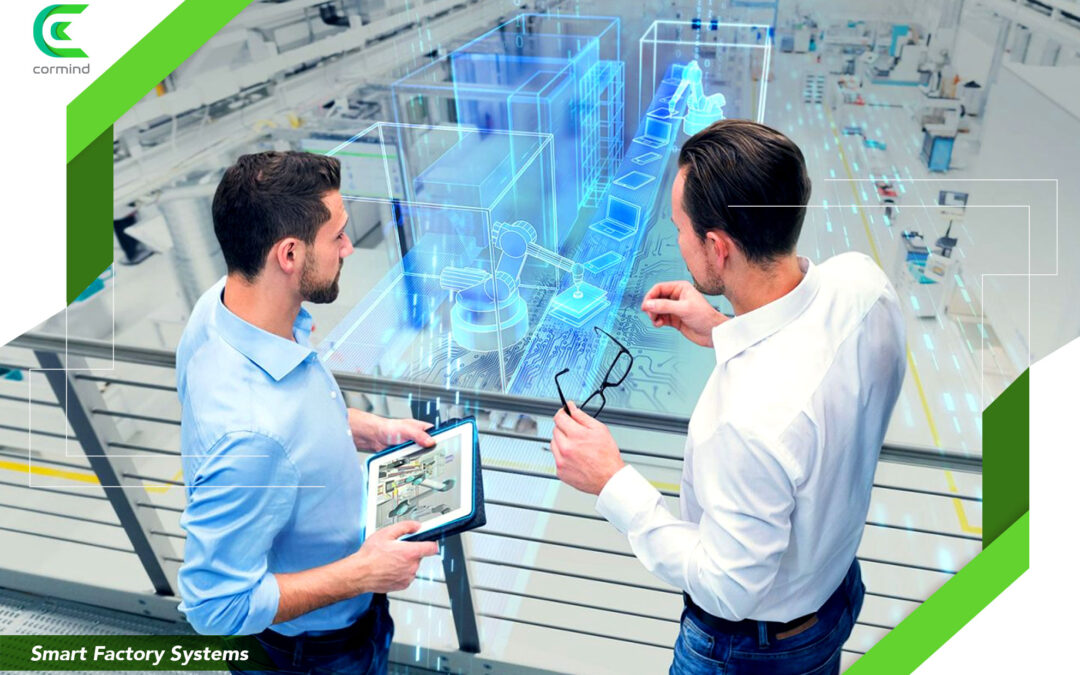
The logic behind this type of factory, of which there are some examples in our country, is that all of the equipment, hardware, and even the products produced during the production process are in communication with the system that is introduced. This type of factory does have some examples in our country. Inside the confines of the manufacturing facility are a variety of software, sensor, and robotic technologies that are being used in an effort to achieve this communication.
The continuous traceability that smart manufacturing systems provide is another another significant reason for their widespread adoption. There is always the possibility of gaining access to data that is both quick and accurate. The easiest access to this data and a straightforward navigation structure are the top priorities for us here at Cormind.
What are the Contributions of the Smart Factory System to the Production Process?
The fact that the manufacturing process can be monitored and managed at every level is the most important benefit brought about by the implementation of the smart factory system. It refers to the opportunity to anticipate probable faults or failures in operation. This forecast is reliable due to the fact that the machines and all of the people involved in the manufacturing line are in constant contact with one another.
You may also improve the effectiveness of your production by equipping your manufacturing facilities with the most advanced factory automation solutions now available. You will have the chance to see all processes, beginning with the acquisition of the raw material for your product and continuing through its tracking, storage of the manufactured product, and distribution on a system. You may also observe the benefits of this system with experience that cannot be stated in words, particularly in discovering the sources of mistakes that may arise in goods. This is especially true in the case of determining the causes of errors that may occur in products.
For a free demonstration, please contact us by phone at +902167061518 or by sending an email to hi@cormind.com.
by AlperSarbak | Mar 26, 2023 | Blog
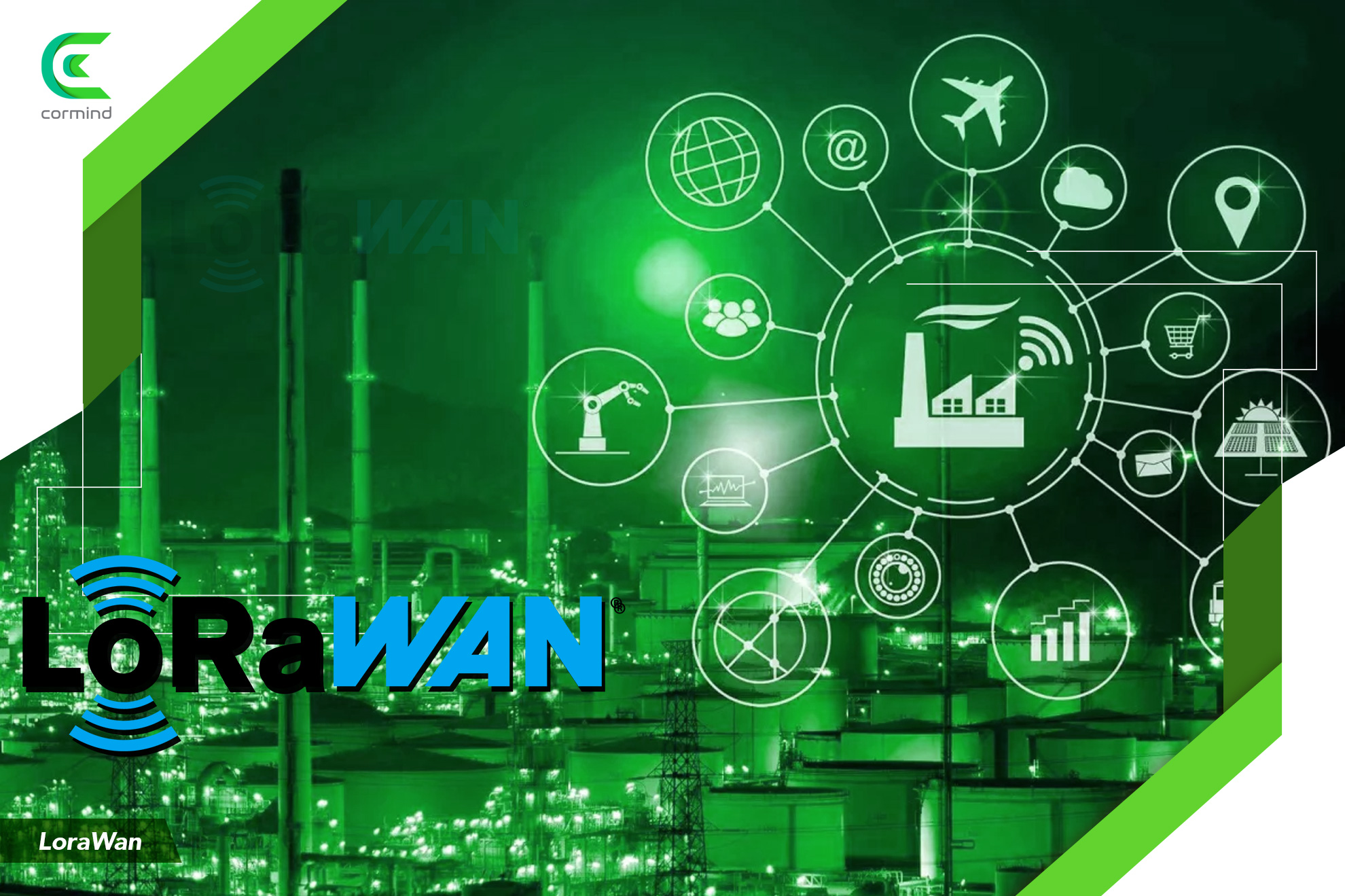
Lorawan provides an important advantage for the data connection required by IoT technology to be used in a much wider area. In this way, it becomes possible to establish long-range connections that require very low power consumption. This situation is among the most effective solutions to meet the needs of people.
Rapidly advancing technological developments in today’s world offer many innovations that make human life easier. Devices, which are used by almost all humanity and are indispensable for daily life, can provide data transfer by connecting with each other. The ability of devices to provide this connection is made possible by the internet of Things technology, also known as IoT. This type of connection consists of wide network technology and sensors.
Devices connected to each other with IoT use wireless network technologies such as bluetooth and wi-fi while transferring data. Although wireless networks, which are frequently used in daily life, meet the needs in mobile and web areas, they can be effective in a limited area. Options to increase the area of influence can cause very high costs. Therefore, users prefer to search for different alternatives.
What is Lorawan?
Data transfer has an extremely important place in the developing world technology. For this reason, in order to provide a solution in cases where the wireless network protocol is not sufficient, a technology has been developed that provides the connection of devices on a national or regional scale. This technology, called LoraWan, stands for Long Range Wide Area Network.
LoRa is a technology that is frequently used in various points of daily life and in the industrial sector. With this protocol, data transfer between devices can be provided in a wide area without the need for wifi, ethernet or mobile networks. Lora-Wan is supported by the Lora Alliance, a non-profit and open member association. This is among the most important factors in increasing the frequency of use.
What are the Advantages of Lorawan?
LoraWan has gained a very important place with the benefits it provides in today’s industry 4.0 technologies. The advantages provided by the LoraWan protocol, which offers convenience to users in many ways, can be briefly listed as follows:
- A wide range of up to 20 kilometres,
- Providing two-way communication capability,
- Extremely reduced power consumption with a current requirement of no more than 50 mA for data transfer,
- Allows up to 10 years of battery life,
- It can be used even in case of power failure,
- Delay-free communication between networked devices,
- Enabling confidential and secure communication,
- No outage problems due to consistent and secure connection,
- It has free operating frequencies and low cost base stations.
With LoraWan, the data rate required for range and communication time can be adjusted to suit the conditions. In addition, it is also possible to broadcast multiple broadcasts such as emergency messages between connected devices. With all these advantages, LoRa provides fast and uninterrupted data transfer over a very wide area.
What are the Disadvantages of Lorawan?
LoraWan provides low power consumption data transfer with large capacity especially in industrial areas. Thanks to this feature, it has managed to become a frequently preferred technology in all sectors. In addition to the many benefits it provides, it also has some disadvantages. Some of the disadvantages of LoraWan can be briefly listed as follows:
- Only medium and small data can be transferred,
- Telephone calls cannot be made over this network,
- Video and photo transfers cannot be made,
- Not suitable for real-time applications that need data,
- The range width may vary according to the physical conditions in the area of use.
The disadvantages of LoraWan arise depending on the usage area and purposes. However, if it is used in line with the determined capacity and needs, it is possible to significantly reduce the disadvantages.
LoRaWAN
What are Lorawan Areas of Use?
The development of technology provides various conveniences to people in all areas of life. LoraWan has a very important place in facilitating data communication between devices and automation systems. Some areas where LoraWan, which can support many applications, is used can be listed as follows:
- Provision of street lighting,
- Monitoring water and energy consumption,
- Control and management of parking spaces,
- Operation of smart irrigation systems,
- Monitoring of critical infrastructures,
- Making efficiency measurements in the industrial field,
- It is the realisation of applications related to occupational safety and occupational health.
In line with the developing technologies and new usage needs, the usage areas of LoraWan are increasing day by day. With its convenience and low cost feature, LoraWan surpasses many existing technologies and is becoming more preferred.
Lorawan Projects
Lorawan projects cover applications that are encountered unnoticed in many areas of daily life. These projects can be exemplified as follows:
- Meter reading operations,
- Intelligent lighting systems,
- Intelligent parking systems,
- Smart agriculture applications,
- Heat and humidity monitoring systems,
- Waste management systems,
- Leakage monitoring systems,
- Herd tracking systems,
- Environmental monitoring studies,
- They are smart energy systems.
LoRa significantly increases the battery life of the devices thanks to the energy efficiency it provides. At the same time, it is becoming an increasingly preferred system day by day thanks to its advantages such as being a wireless system and not disturbing the signal data of interference.
Lorawan Turkey
The ISM band at 868 megahertz is compatible with Lorawan, which has attained a level of popularity in Turkey comparable to that seen in the rest of the globe. By doing things in this manner, it is possible to achieve a transmission distance of up to 15 kilometers in open regions and up to 3 kilometers in restricted locations. In spite of the fact that Turkey has a restricted supply of service resources on account of the novelty of the technology, there are significant businesses that are potential candidates to take part in the operational procedures. This is a significant advancement that will allow our nation to use Lorawan technology in the manner that is both the most effective and the most efficient.
by AlperSarbak | Mar 14, 2023 | Blog
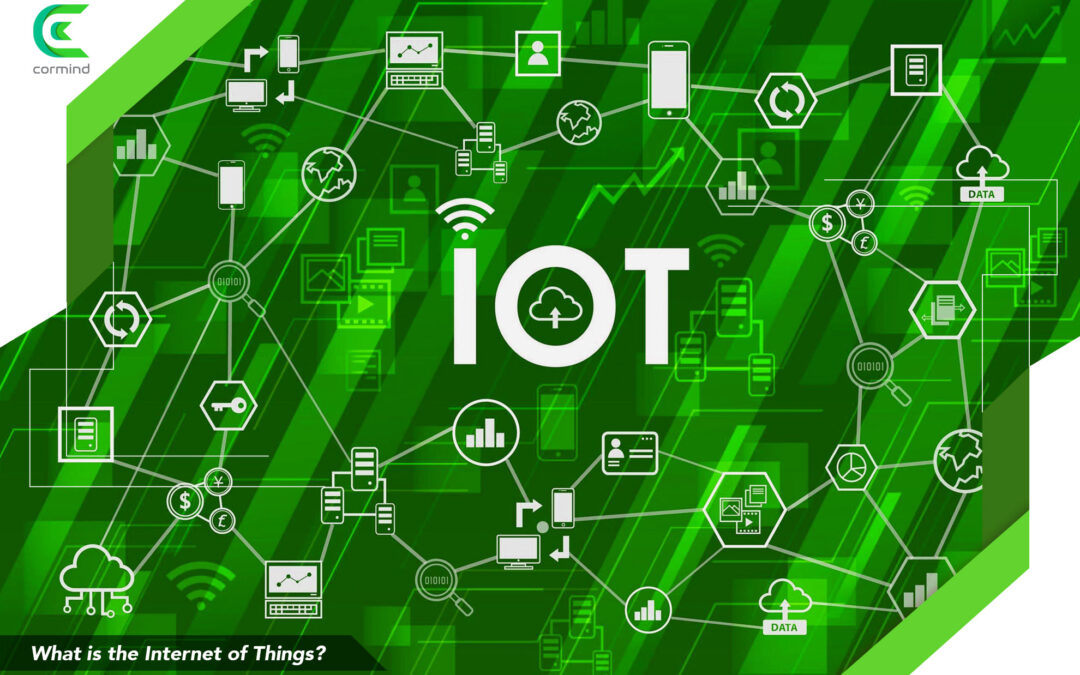
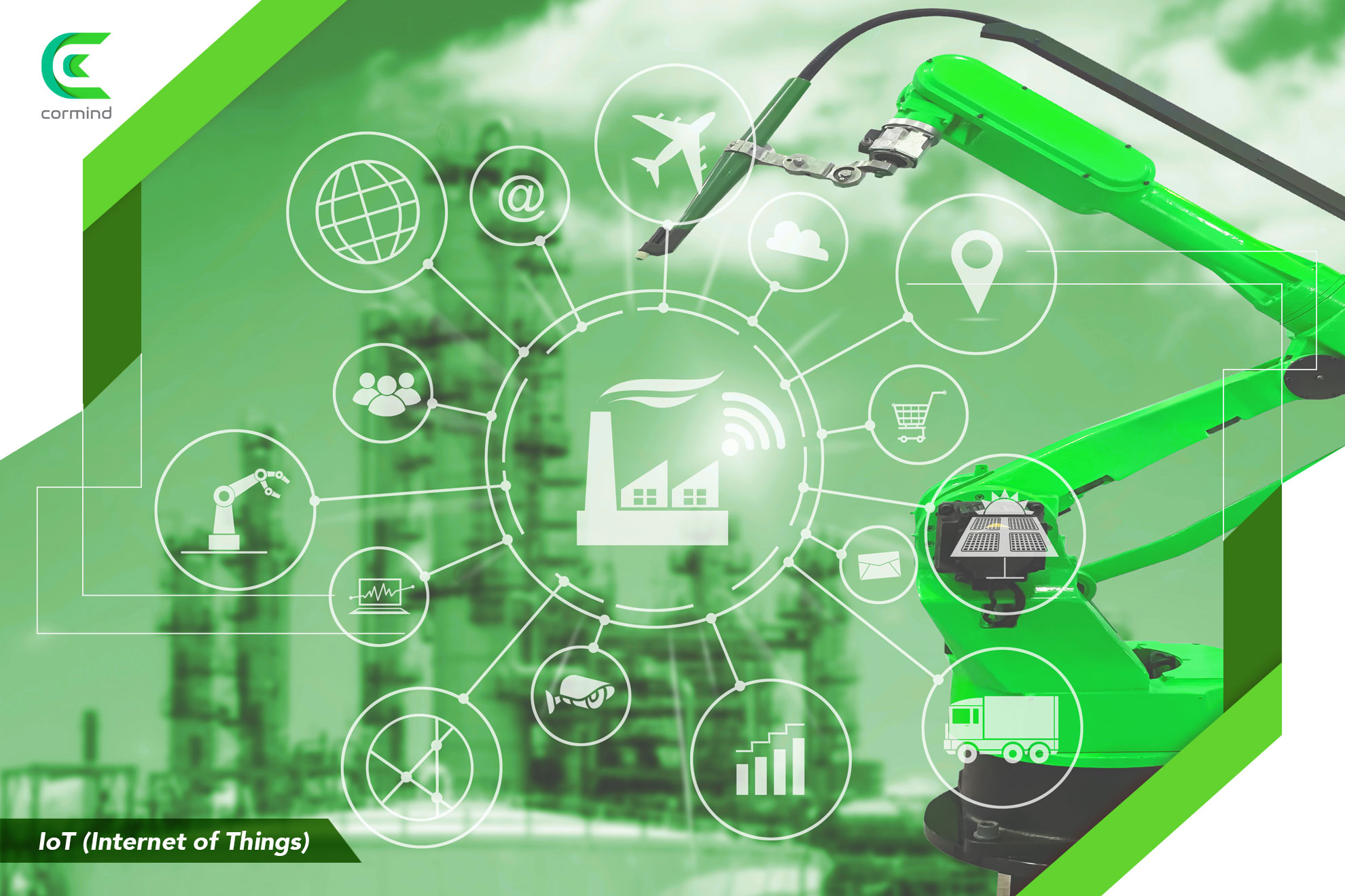
The concept of the Internet of Things (IoT) technology is the communication and interaction between smart devices. Nowadays, the Internet of Things covers a wide range of devices, from small household appliances to smart cities. The data generated by these devices is referred to as big data.
In IoT, various devices can be connected to each other and exchange information without human intervention. This enables devices to work together and provides real-time data for monitoring and decision-making purposes. For example, a smart home system can connect to and control multiple devices such as thermostats, lights, and security cameras.
What is the Internet of Things (IoT)?
Systems that transfer data over a network without the need for human-to-human or human-to-computer interaction are referred to as the Internet of Things (IoT). These systems can transfer data by using interconnected computing devices, mechanical and digital machines, objects, animals, or unique identifiers. This eliminates the need for human-to-human or human-to-computer interaction (UIDs).
IoT technology is being increasingly used by businesses across a wide range of sectors in order to improve operational efficiencies, enhance decision-making processes, boost the value of their operations, and get a deeper comprehension of their clientele.
In 1991, while giving a presentation, Kevin Ashton came up with the concept that would later be known as the Internet of Things (IoT). It is a term that refers to the interaction of a number of electric gadgets, such as the wristwatch that you wear on your wrist in addition to other electronic appliances.
For example, the sensors in a wristwatch you wear on your wrist may be able to determine the distance you’ve walked, the number of steps you’ve done, and your heart rate while you’re engaging in these activities. The information that is gathered by these sensors may be examined by a client device, such as a personal computer or a mobile phone, to assist us in better organizing our life. The Internet of Things is made up of its most basic component, which is the communication that takes place between the two different devices.
iot tech
How Does the Internet of Things (IoT) Work?
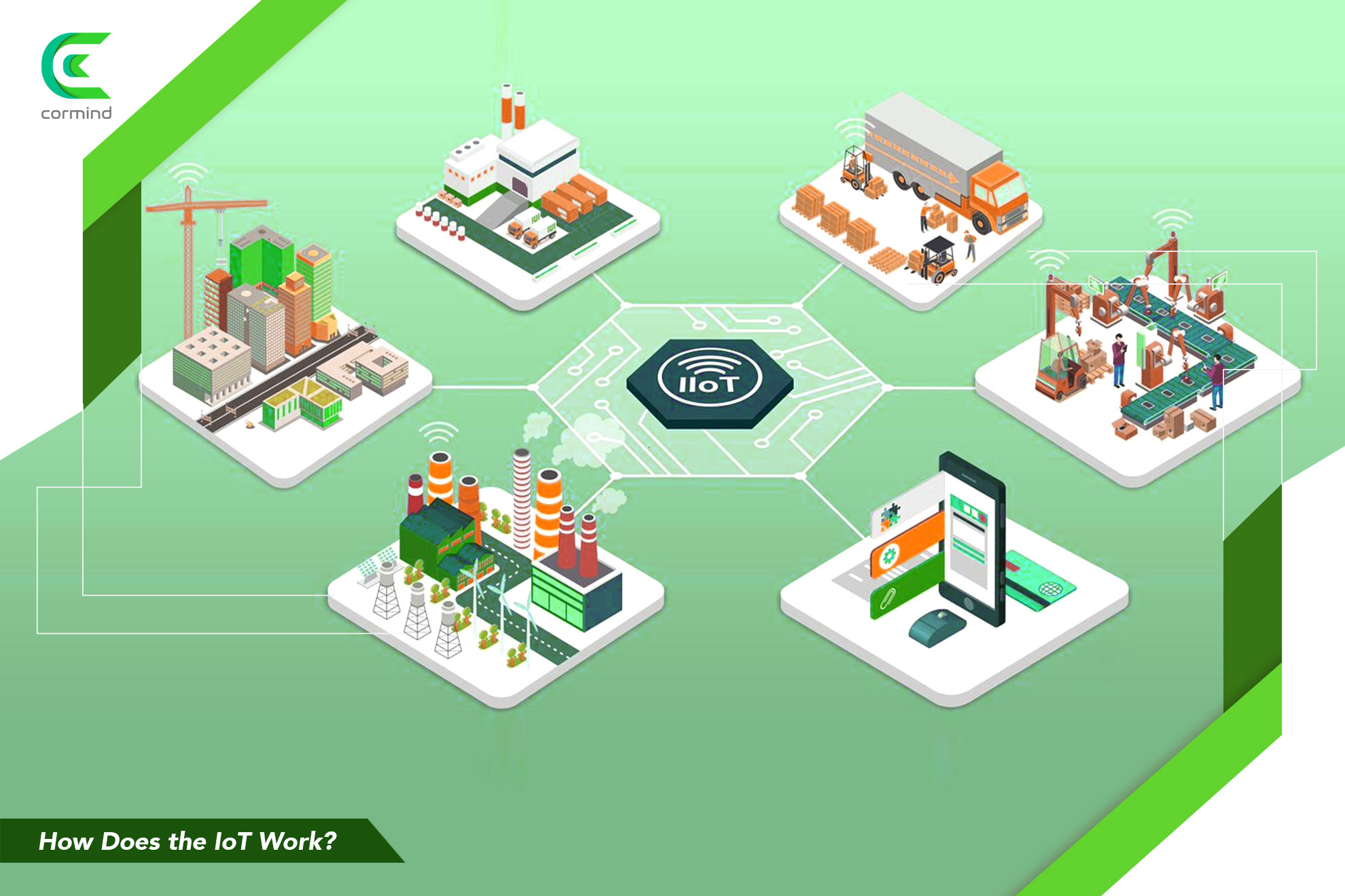
An Internet of Things ecosystem consists of web-enabled smart devices that use embedded processors, sensors and communication hardware to collect, send and act on data from their environment.
In other words;
IoT is a network of devices connected through communication technologies to create systems that monitor, collect, exchange and analyse data, providing valuable information that enables industry companies to make business decisions faster.
An industrial IOT system consists of:
- Intelligent entities that can sense, transmit and store information about themselves. That is, applications, controllers, sensors and security components.
- Data communication infrastructure, for example the cloud;
- Analytics and applications and people who generate business knowledge from raw data.
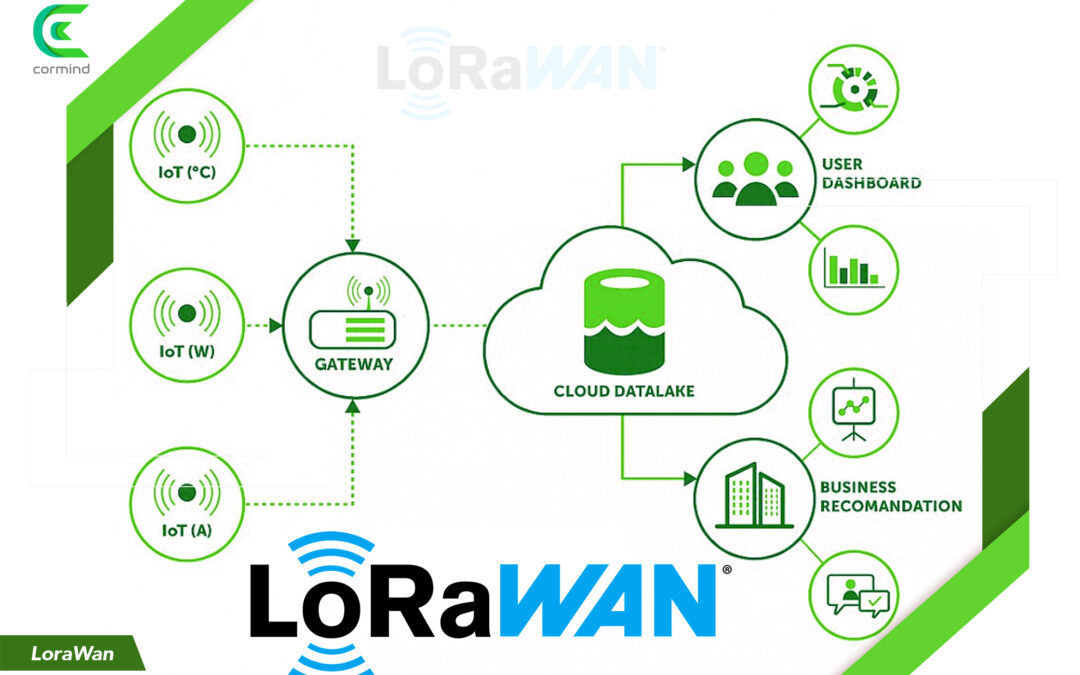
IOT devices share the sensor data they collect by connecting it to an IOT gateway or another edge device from the cloud where the data is sent to the cloud to be analysed locally or analysed locally. Sometimes, these devices communicate with other related devices and act on the information they receive from each other. The devices do most of the work without human intervention, but people can interact with the devices. For example, setting them up, giving instructions or accessing data. The connectivity, networking and communication protocols used with these web-enabled devices largely depend on the specific IoT applications being deployed.
Internet Of Things (IoT) Benefits:
The Internet of Things offers organisations a range of benefits that enable them to
- Monitor overall business processes.
- Enhance the customer experience.
- Save time and money.
- Increase employee productivity.
- Integrate and adapt business models.
- Making better business decisions.
- Generating more revenue.
IOT encourages companies to rethink the way they approach their businesses, industries and markets and gives them the tools to improve their business strategies. One of the most touted benefits is the predictive maintenance of industrial internet businesses provide.
This “involves organisations using real-time data generated from IoT systems to predict faults in machines”, for example, before they occur, before a part breaks down or a machine breaks down, enabling companies to take action to solve these problems.
Another common benefit is improved field services. help field service technicians identify potential problems with customer equipment before they become major issues, enabling technicians to resolve problems before they inconvenience customers.
Asset tracking is another IOT benefit. Suppliers, manufacturers and customers can use asset management systems to track the location and condition of goods along the supply chain. The system sends immediate alerts to stakeholders if goods are damaged or at risk of damage, giving them the chance to take immediate or preventive action to rectify the situation.
IOT ensures greater customer satisfaction. When products are connected to the internet of things, the manufacturer can capture and analyse data on how customers use their products. It enables manufacturers and product designers to adapt future IOT devices and create more customer-centric product roadmaps. IoT also improves plant management. Because manufacturing equipment is sensitive to wear and tear, as well as to specific conditions within a factory, sensors can monitor vibrations, temperatures and other factors that can lead to sub-optimal working conditions.
iot
Internet of Things and Big Data
Today, the Internet of Things extends from small home appliances to smart cities. Of course, the data generated here appears as Big Data. Big data created by making sense of the data used in the Internet of Things and analysing different data is very valuable.
For example; everyone has searched for a parking space in the car park. The signs that are used in car parks today and write “FULL” or “EMPTY” at the entrance are one of the smallest examples of the Internet of Things and the big data that will be generated. The sensors located here detect the vacancy and occupancy rate of the car park. When the rate is analysed with the time of the day; a data is generated that allows us to analyse at which hours the car park is full or empty.
What is Big Data?
Big data is the result of all the digital data in our lives being collected and accumulated in one place. The data here are analysed by people or artificial intelligence and are useful for many of our daily lives.
by AlperSarbak | Feb 13, 2023 | Blog
The MTBF concept is a term introduced as the abbreviation mean time between failure. MTBF measurements cover unplanned inspections and maintenance.
Planned maintenance operations are not included in MTBF measurements.
MTBF measurements are important for all sectors operating with equipment that can fail. It is especially beneficial for banks, factories, technology companies, and similar businesses in terms of predicting failures. Therefore, the mean time between failure measurements performed by expert personnel directly contributes to areas such as business planning and production efficiency.
MTBF Formula
The universal formula used to calculate M-T-B-F is called the MTBF formula. You need to determine how many times the determined asset has failed in total and how many hours it has been working to analyze the mean time value between two failures and achieve the result. Later, the number of failures is divided by the operating hours. The resulting value is the M.T.B.F. measurement result.
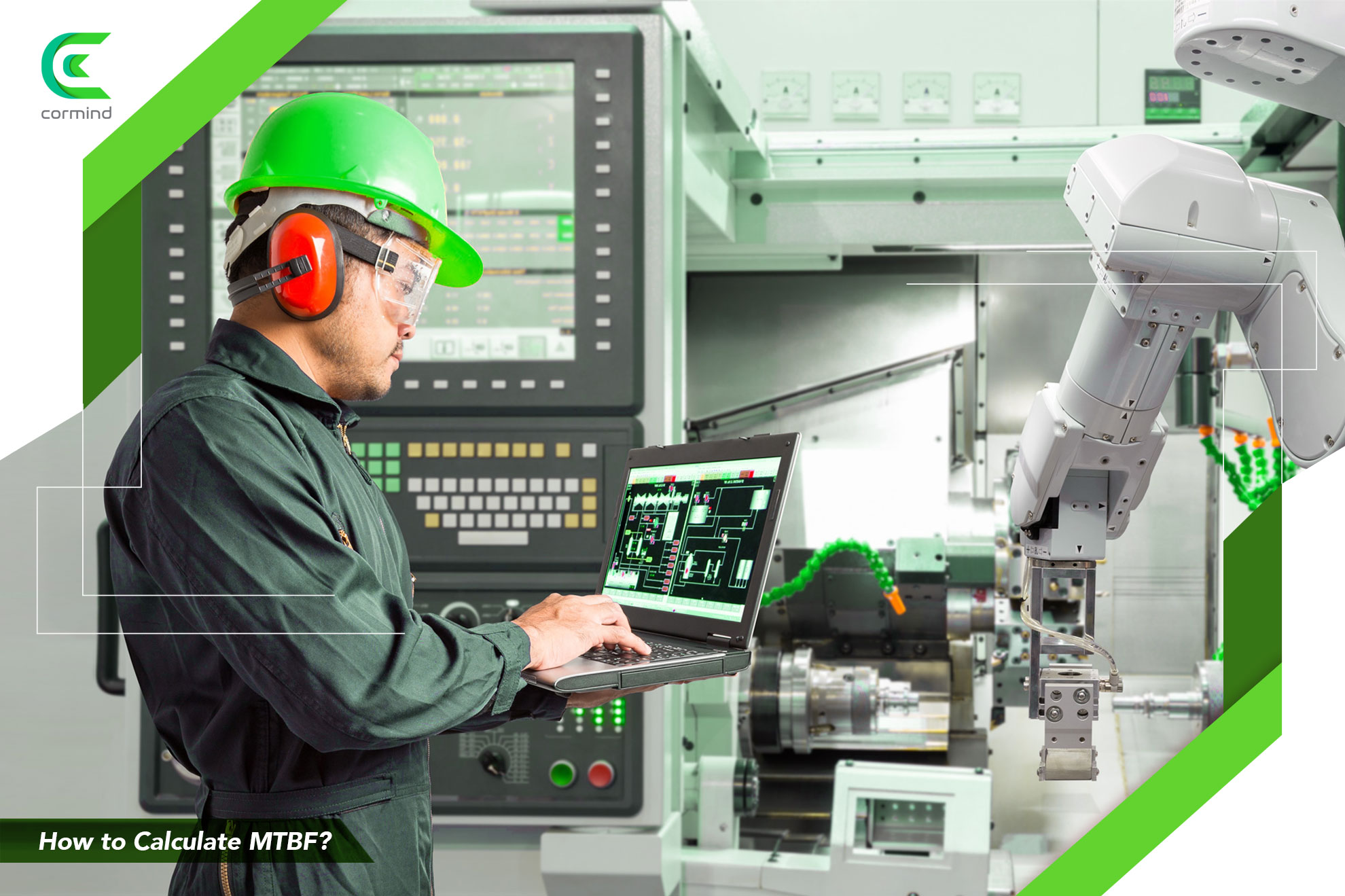
How to Calculate MTBF?
There are some considerations to pay attention to achieve the most accurate results while calculating MTBF. These considerations can be summarized as follows:
- Parameter Determination for Data Recording: It is necessary to determine the parameters of the data to be recorded to calculate the time between failures. Thus, it is possible to achieve clear results such as elapsed runtime and number of failures.
- Data Recording: Calculating MTBF with asset guidelines often leads to misleading results. It is because these guidelines do not include human factors and business-specific conditions in the calculation. Therefore, businesses need to collect and record their own data to achieve the most accurate results.
- Calculating Operation Time: The total operations hours of the asset are needed to calculate M-T-B-F. Therefore, how many hours the equipment operates should be checked from the records and used in the formula correctly.
- Identifying the Number of Failures: The number of failures is one of the most important data for calculating M.T.B.F. How many times the assets have failed in total within the time should be included in the calculation correctly.
- Applying the Formula: After all, data is identified, the MTBF formula must be filled in properly. It is possible to achieve the mean time value between failures after providing the values corresponding to the parameters specified in the formula.
Thanks to MTBF calculation, it is possible to determine how long it takes for assets to fail. In this way, advantages such as implementing the required solution suggestions and increasing efficiency can be achieved.
M.T.B.F. Improvement Stages
There are three main steps to follow for MTBF improvement stages. These steps can be summarized as follows:
- Structuring the Maintenance and Repair Processes: Knowing how long it takes for assets to fail allows predictive maintenance to be carried out when the time of failure approaches. It becomes possible to take precautions and not disrupt the business plan without experiencing a breakdown with process optimization. In this way, businesses enjoy advantages such as using resources most efficiently and reducing waste costs.
- Performing Failure Analysis: Examining and analyzing the data of failed assets will significantly contribute to developing a solution. Therefore, businesses should determine the frequency and cause of the failure and make the required analyzes. In this way, it is possible to take the necessary precautions and prevent failures.
- Creating an Early Warning System: Analyzing the data of the failed assets based on the situation is an important factor for businesses to create an early warning system. In this way, failed assets can be maintained separately and differently from other assets. Thus, there will be no disruptions or delays in business planning.
Monitoring the improvement stages of the mean repair time between two assets is important for less frequent failures. Therefore, businesses must record all necessary data and implement the necessary actions to calculate the mean time between two failures.
What Is the Difference Between MTBF and MTTR?
The M.T.B.F. concept refers to a metric measure used when business planning is interrupted 2 times in an unplanned manner. The time elapsed between two interruptions provide the MTBF value. On the other hand, the MTTR concept refers to the metric measure, which calculates the time between the unexpected interruption of business planning and the time it takes to become active again. So, the measurements represented by both concepts are completely different from each other.
by AlperSarbak | Jan 17, 2023 | Blog
Kaizen is a philosophy considered the key to success by many businesses today. Businesses, which adopt this philosophy, manage to increase their authority and profits in the market in a short time. Also, they enjoy a significant reduction in the mishaps encountered in the processes from production to delivery and costs. Kaizen is a Japanese business philosophy, and it is a business model adopted by many businesses in our country.
What Is Kaizen?
The word Kaizen describes a philosophy that originated in Japan and spread all over the world in a short time. The word Kai refers to the changing concept. On the other hand, Zen refers to good or better. In this regard, the philosophy can be defined as a business philosophy that means continuous improvement.
Kaizen philosophy presents the opinion that businesses should strengthen their weaknesses and improve their strengths. In this way, it is possible to each business goal and desired levels in a shorter time. Also, the goal in the entire process is to achieve the highest profit rate.
Kaizen Philosophy
Kaizen philosophy is a philosophy that claims that every person can make every situation better. It also adopts the principles of taking every situation to the next level all the time. Kaizen philosophy does not accept perfection and emphasizes that there is always something better. Therefore, it supports working in a disciplined way. Kaizen philosophy implementation aims to make businesses better in a short time and ensure permanent development in the long run. In this way, factory process optimization reaches maximum performance.
Kaizen philosophy supports teamwork, in which all personnel participates, rather than individual actions. Getting the opinions of all personnel allows people to be aware of their own values and to approach their work more constructively. This makes reducing waste and costs while increasing productivity and performance possible.
Kaizen Technique
Kaizen technique is a business model applied for businesses to achieve permanent improvement. It is possible to improve the products as a result of improving quality and increasing efficiency. This technique also covers objectives such as total quality management, automation efforts, provision of group activities, and protection of quality circles.
The correct implementation of this technique ensures that people get the highest and most lasting effects in the shortest time. Therefore, many businesses operating in different sectors around the world adopt the principle of increasing success rates by implementing KAIZENN techniques.
5s and Kaizen
5S and Kai-zen
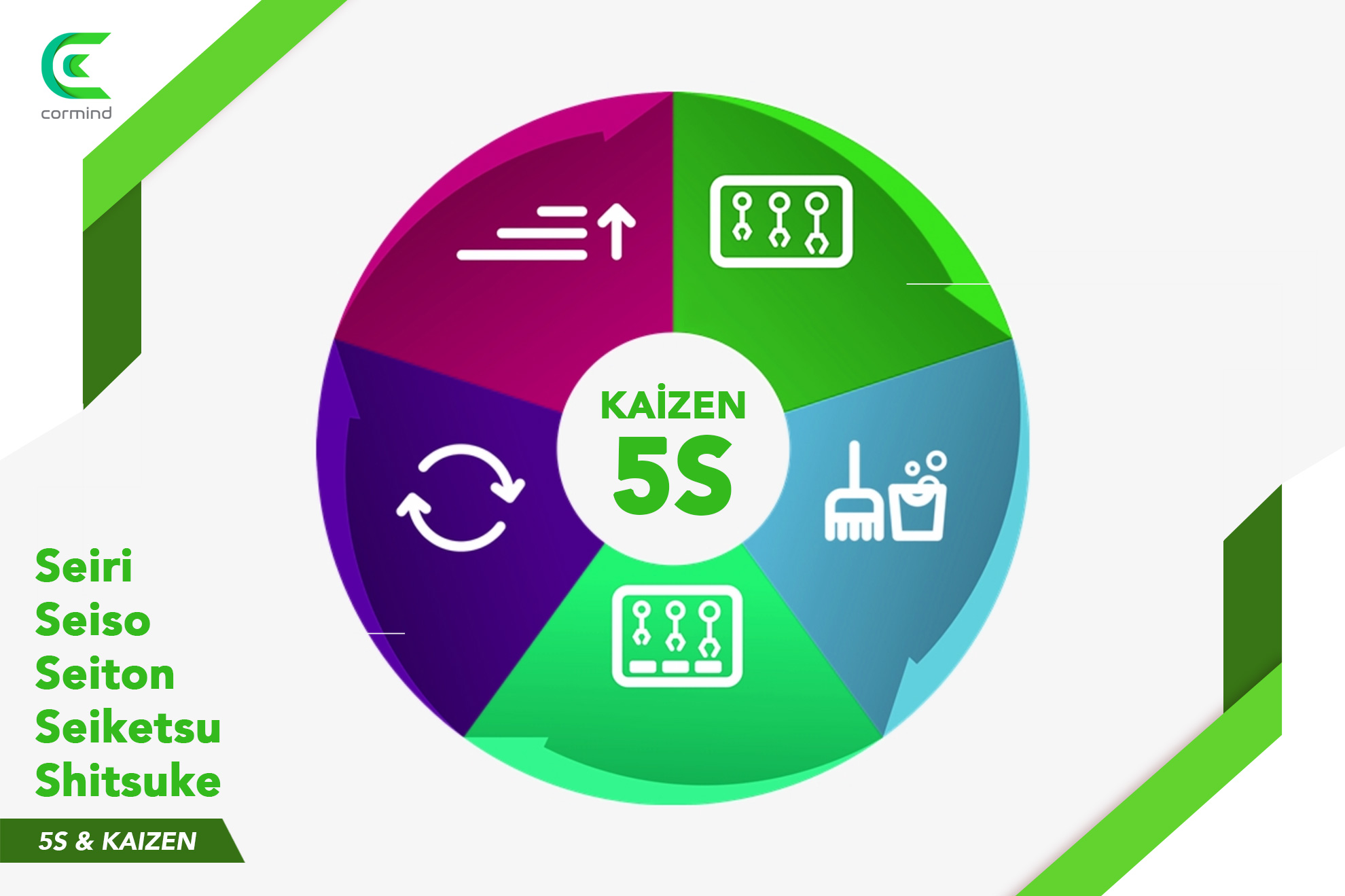
The 5S rule is an important implementation model of the Kaizen philosophy. This model, which aims to create a clear and orderly work area, also aims to ensure continuity after achieving the targets. In this way, it is possible to prevent losses due to the disruption of clearness, absence of followed standards, or irregularity.
The 5S rule is an abbreviation consisting of the initials of Japanese words. These words and principles can be described as:
- Seiri, meaning sorting,
- Seiton, meaning order,
- Seiso, meaning cleaning,
- Seiketsu, meaning standardization,
- Shitsuke, meaning discipline
The implementation of 5S rules aims to increase service and product quality. Prevention of waste also has an important place within these rules
Kaizen Features
Kaizen features can be listed with 13 items. It is possible to list these basic principles as follows:
- Performing management operations according to value,
- Active participation of all personnel throughout the process,
- Development of skills and abilities of functional teams,
- Ensuring complete focus throughout the business process,
- Completion of processes as soon as possible,
- Adopting an assertive style while setting goals,
- Adopting the principles of productivity as a principle,
- Completely preventing wastage,
- Making quick decisions,
- Preparing full-scale plans in all implementations,
- Preparing training programs for all new processes,
- Making plans in line with the sustainability principle,
- Increasing and improving the workforce.
Kaizen features are the same for all sectors and companies. These features must be considered in the working principle to achieve successful results.
Kaizen Cycle
The Kaizen cycle is basically implemented in 4 different steps. It is possible to describe the steps of this cycle called PICT as follows:
- Plan: It is the process of setting goals and collecting the data necessary to achieve these goals.
- Implement: It means that the plans need to be implemented after they are finalized.
- Control: It is the stage of whether the goals have been achieved as a result of the implementation and the analysis of the problems encountered during the process.
- Take Precautions: It is the stage of taking the necessary precautions and maintaining continuous improvement depending on the control results.
The Kaizen cycle should be repeated in all processes and stages. Therefore, it is considered a cycle in the business process.
Kai-zen Examples in Factories
Implementation of the Kaizen philosophy in factories allows both businesses and personnel to enjoy many advantages. Active participation of personnel in all production processes ensures a direct increase in competitive power in the market.
The most common example of Kaizen philosophy in factories is encouragement. Planning teamwork instead of individual tasks and sharing performance results as incentives can be examples.
Performance results should include details such as a reduction of the team’s workforce, more efficient work results, time savings, and a better-quality working day with less effort from team members. Kobetsu Kaizen means improvement practices performed as a team.
10 steps of kaizen
What Is 10-Step Kaizen?
10-Step Kaizen is a statement that describes the steps needed to implement this philosophy. The 10-step Kaizen stages can be listed as follows:
- Picking the topic of work,
- Determining the targets as a result of the work,
- Determining the appropriate team to achieve the goals,
- Evaluation of the current position to determine the starting point,
- Planning the project with all its details,
- Performing root cause analysis,
- Implementation of necessary solution steps,
- Checking the match of the target and result,
- Standardization of the entire working process,
- Dissemination of the work completed.
10-step Kaizen implementation is very effective for improving performance in a short time. Therefore, it is an ideal plan to start implementing the Kaizen philosophy.
KAIZEN MANAGEMENT
Kaizen management refers to all of the implementations performed to apply Kai-zen techniques correctly and to monitor their sustainability. These management processes aim to inform all personnel about the Kaizen philosophy, provide the necessary support, find appropriate solutions to the problems experienced, and transform their techniques into a permanent business principle. It is very beneficial to receive professional management support, especially for businesses that have just started to adopt this philosophy.
Kaizen Budgeting
Today, Kaizen budgeting is a budget planning preferred by businesses all over the world. Reducing expenses and waste to a minimum within this planning allows for achieving the highest profit. In this way, it is possible to optimize the profit margin. The correct implementation of Kaizen budgeting processes is a very effective method for businesses to achieve the highest profit as soon as possible.
Kai-zen Quality Management
Quality management in Kaizen is a working model implemented with the principle of serving people. This model aims for the participation of all personnel and a steady increase in quality. It is implemented in 3 steps and the stages of this technique are implementation, standardization, and improvement.
Kaizen Suggestion System
Kaizen philosophy gives importance to the participation of all staff. Therefore, the opinions and suggestions of the personnel are important at every stage. You need to build a suggestion system to maintain this fairly and continuously. Also, you need to adopt a management system to perform the received suggestions most accurately.
Kaizen Costing
Kaizen supports that the costs needed in all business processes should be at the lowest level. First, a cost target must be determined in the costing model. Later, the steps required to lower the cost less than this amount should be determined. Kai-zen costing applications always aim to reduce the cost levels to lower amounts. (See also: How to Reduce Production Cost?)
The Best is the Enemy of Good
Kaizen philosophy states that you can never be the best. Therefore, thinking you are the best impedes growth and recovery in Kaizen philosophy. Since decline and recession are inevitable for businesses in these cases, one of the most effective mottos defining the Kaizen philosophy is the “The best is the enemy of good!” phrase.