by AlperSarbak | Dec 10, 2022 | Blog
An innovative production approach has been adopted with the continuous development of production technology. Innovative, efficient, and error-free products have started to appear, especially with industry 4.0. innovation in production has increased with the smart factories that started with the 4th industrial revolution. An innovative production system has been introduced in all sectors.
The 4th industrial revolution or in other words, industry 4.0 and innovation, which is a combination of concepts that are compatible with each other but express different meanings, refers to developments in the field of production technology. The system, which covers a wide concept from internet services to start-up economy, continues to shape the industrial sector all over the world. Since this technology is used all around the world today, it is called the Industry 4.0 Era.
It can be observed that there is a very fast transition to innovation in factories that adopt Industry 4.0.
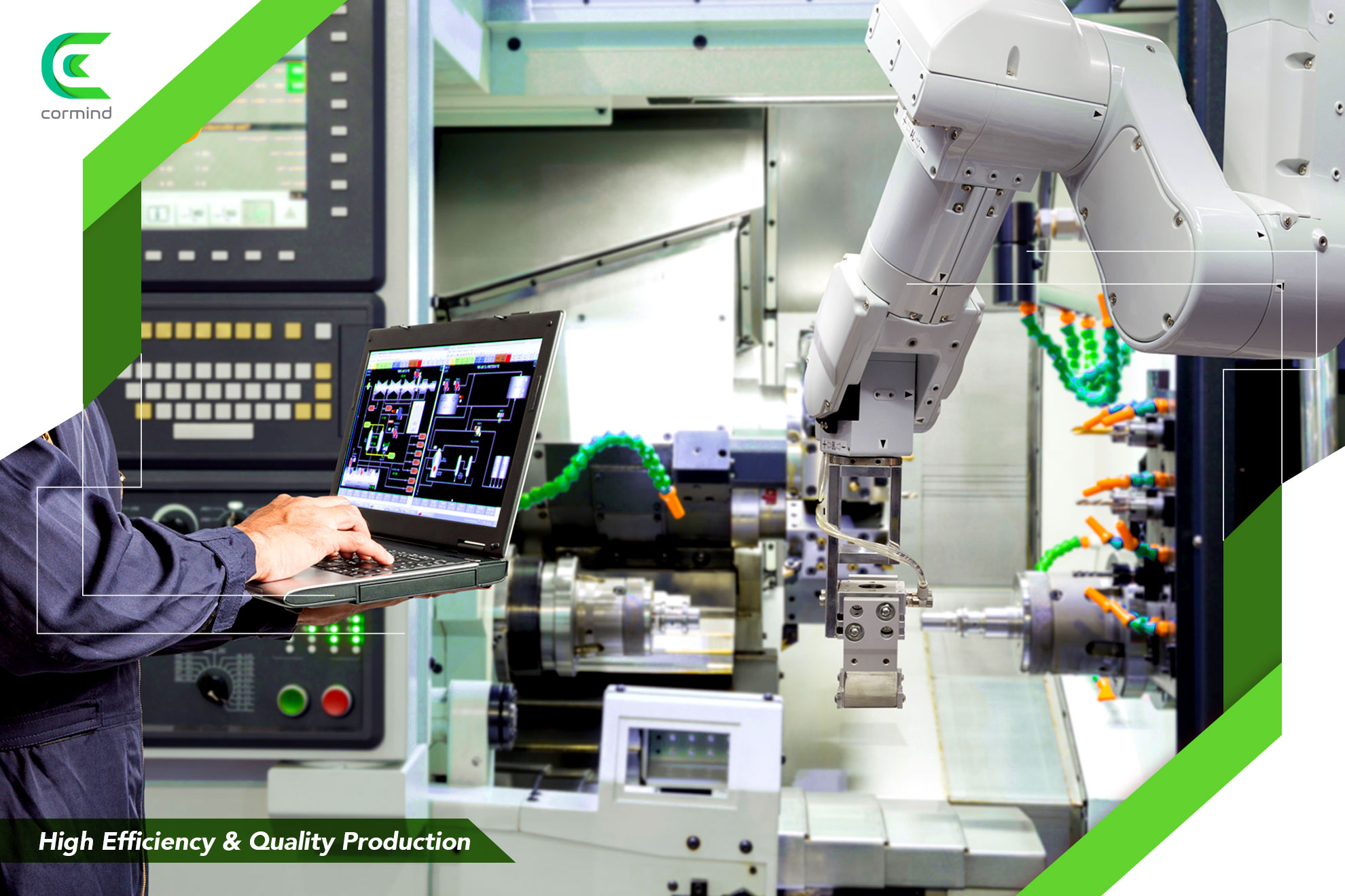
high efficiency and quality production
High Efficiency & Quality Production
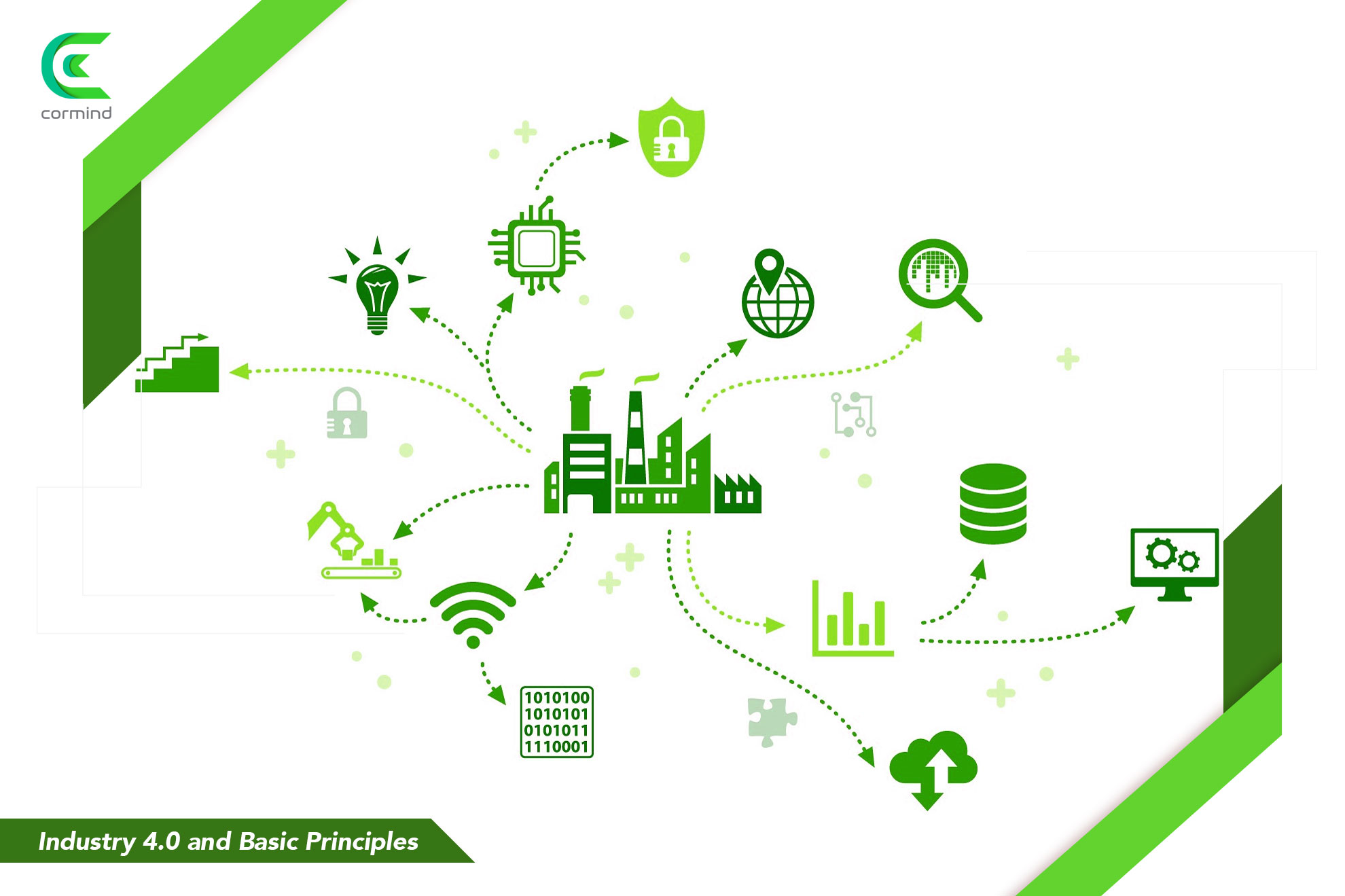
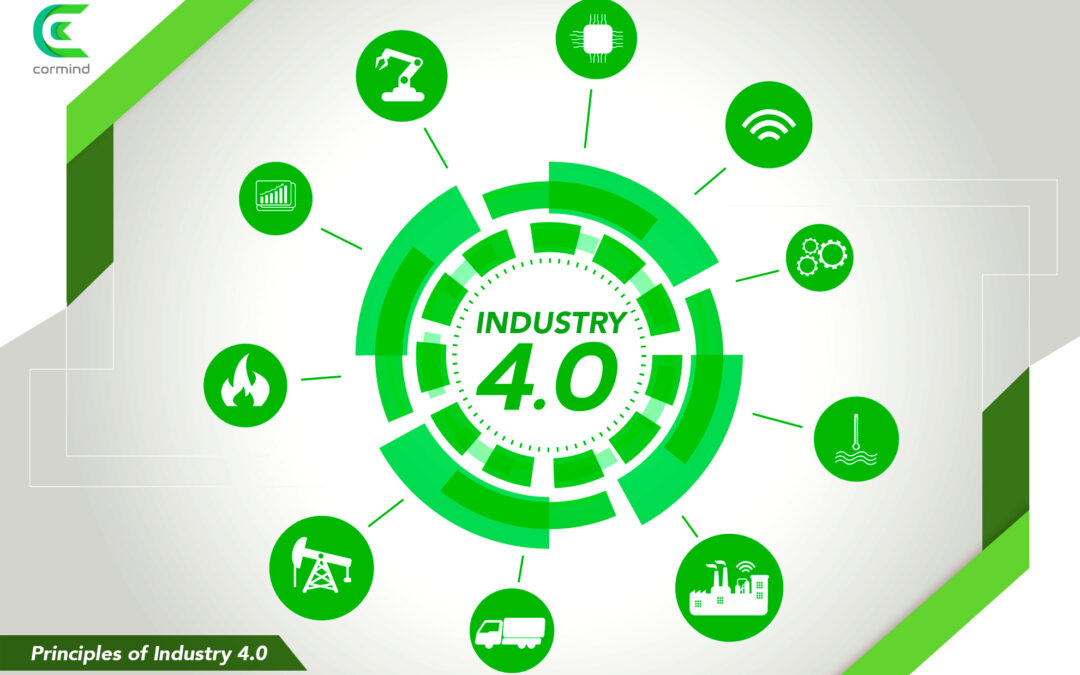
A new era has begun in the industrial sector, i.e., in production environments with industry 4.0, which allows the functionality and seamless collection of data. Industry 4.0 and Innovation, which boost efficiency, also have an important place in developments in the competitive environment. This system consists of 3 basic structures. The infrastructure of this system consists of the devices used in the industry, which interact with each other.
It facilitates the data flow between the Internet of Things and Services and Cyber-physical systems. Communication is ensured between tools and machines thanks to this technology. A quality production process with high efficiency has been achieved thanks to this communication. Industry 4.0 is based on 6 different basic principles so that it can have a strong and autonomous decision system.
industry 40 principles
Industry 4.0 and Basic Principles
Service definition and communication in real-time are greatly emphasized in the innovation application developed for the systems used in the industrial sector to interact with each other.
This system is not only considered a technological development but also proves that the mentality in this sector is gradually changing. One of the most important advantages that the system offers to the user is production can be tracked instantly. Besides, maximum efficiency is aimed at preparing a setting that adapts to modular change.
Another principles of industry 4.0 and innovation systems, which is the latest industry wave, is a decrease in costs during the production process. Although the costs during the implementation of this system seem high, it pays for itself in a very short time. Many existing problems experienced in production until now will be eliminated with this system. There will be uniform products. Raw material waste will be ended. Digitized factories will also have 24/7 production potential. It allows one to start production by pressing a single button remotely. Without the need for a certain task master or muscle power. In summary, after the system setup, the decrease in implementation costs will be noticeable.
The fact that these systems are improvable and adaptable proves the long-term usable nature of these systems. The 4th Industrial Revolution, which is a sustainable practice, can be revised to adapt to the conditions with this feature.
by AlperSarbak | Dec 6, 2022 | Blog
What Is Production Planning?
Production planning is the process of generating a general output level called a production plan. This process also includes other activities required to meet current overall sales levels. Also, as stated in the general business plan of the company, it meets overall goals of profit, efficiency, lead time, and customer satisfaction. The managerial purpose of production planning is to develop an integrated plan, in which the operations department will be the focus of the production plan. In this case, besides linking the strategic goals of the company to its operations (production function), a production plan should coordinate the processes with sales targets, resource availability, and financial budgets.
Besides generating production plans, the production planning process also includes comparing sales requirements with production capacities and including budgets, preparation of financial statements, and support plans for material and labor requirements.
The Main Purpose of Production Planning
The main purpose of production planning is to determine the production rates, which will allow the management to achieve the goal of meeting customer demand. Employment satisfaction can be achieved by maintaining, increasing, or reducing inventories or backlogs while keeping the workforce relatively stable. If a company implemented the right philosophy in time, it will use a follow-up strategy, which means satisfying customer demand, while keeping its inventories at a minimum. Since the plan affects many company functions, it is naturally prepared with data from marketing and coordinated with manufacturing, engineering, finance, materials, etc. functions. Recently, another concept, sales planning, and process planning have been used to more accurately express the concern about coordinating various critical activities within the company.
Production planning sets key objectives for working in each of the main functions. It should focus on the best sales and marketing objectives, cost of manufacture, planning, error-free inventory objectives, and financial objectives for the firm as a whole. All these should be integrated with a strategic view of where the company wants to expand its operations to. The production planning process typically begins with an updated sales projection covering between 6 to 18 months. Any desired increase or decrease in inventory or backlog levels can be included or removed from the production schedule. However, the production plan is not a demand projection. It plans the production on a total basis. An effective production planning process often uses open timesheets as it is not known when the overall plan can be changed (increased or decreased). Also, there may be restrictions on the degree of change (amount of increase or decrease).
Production planning also provides direct communication and consistent dialogue between the operations function and top management, as well as between operations and other functions of the company. Therefore, the production plan should be stated in definitions that make sense to everyone within the company but not just the business manager. Since production planning has a significant role in production, this process can be responsible for a company’s success or failure in these key areas of responsibility. Production planning also helps organizations examine how sales and distribution and materials management are carried out. Improving these areas has a positive outcome in all departments of a company.
As a result, production planning has a direct influence on finance. Also, since planning can monitor how organizations reach their customers and make sure that the optimal number of staff is available for the different processes, it is related to other fields such as quality management and human resources.
production planning
Production Planning and Projected Demand
You need to research how much product you need to produce in a given time frame and achieve a rate with a 10% fire rate. This includes both confirmed orders and projected orders. There are different methods used for projection. Product demand projection can be determined based on historical data (orders placed by customers in the past) or you can consider events that may change past patterns in your business environment (new market trends, a stagnant economy, new marketing campaigns, etc.).
Determining Production Options
Investigate different production options to meet anticipated demand. Start by mapping all the steps of your production process by using tools such as flowcharts. This will help you examine how to improve the process flow by considering challenges.
Later, identify the resources you need to complete each task involved in your production process. This should include the combination of resources such as human resources, machinery, equipment, materials, and inventory. Analyzing these resources will provide you with a better view of your production options.
Using Resources Most Effectively
A comparison of the production cost and production time of each production option should be carried out and the most accurate steps should be taken to maximize the company’s operating capacity. You need to make sure that you can afford the associated costs, which include purchasing supplies, office rent, paying salaries, leasing, and more. You need to share the production plan with the departments and personnel related to the process and make the processes more seamless by predicting which materials and equipment will be needed for the tasks in the production process.
Monitoring and Control: The plan must be compared with the possible scenarios to ensure that it will work as intended. When this control system is established, it will help you to identify the problems and provide you more time to develop solutions to them.
Revision / Adjustment: Get ready to revise or adjust the plan if necessary. A company must have some financial flexibility to meet changes in customer demand. This plan should also include a risk reduction plan, which covers if certain risks arise in the production process, such as machine failure, employees getting sick, or suppliers not delivering on time.
by AlperSarbak | Nov 30, 2022 | Blog
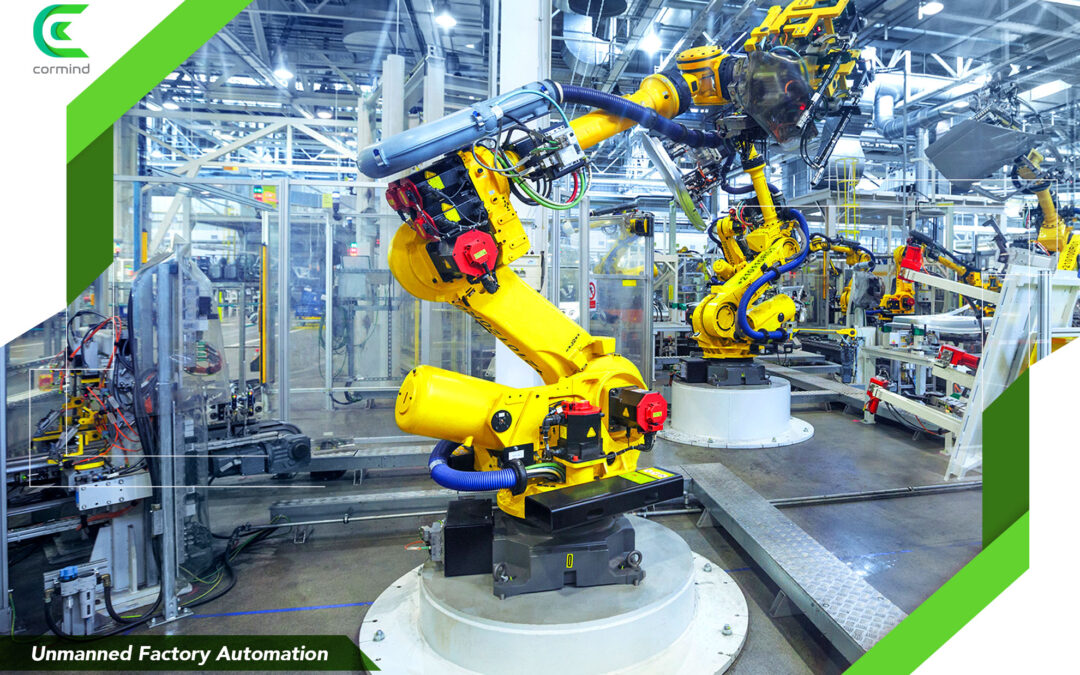
Unmanned factory automation, which is introduced by industry 4.0 has many advantages in production. It is also referred dark factory and there are many successful examples in World.
Unmanned factory automation offers the opportunity to perform production with low costs, especially with high performance, within the production lines within the scope of automation systems, which are among the most popular options of our time. All parts of the products are channeled correctly with simultaneous operations within a certain synchronization. Also, the control is carried out from a central point with special software. This allows the same standard products to come off the production line with high performance under mass production. In summary, a flawless production takes place without any margin of error.
These systems, which enjoyed a greater improvement, especially after the industry 4.0 revolution comes to the fore as fabrication systems that must be used to be able to stay more competitive every passing day. Especially, the fact that they can perform operations within the scope of the same standard quality by completely eliminating human-related errors is accelerating the transition to unmanned factory automation day by day. Now, people are only needed in check points and maintenance and repair operations. Mechanization has been completed at different points within all other production lines.
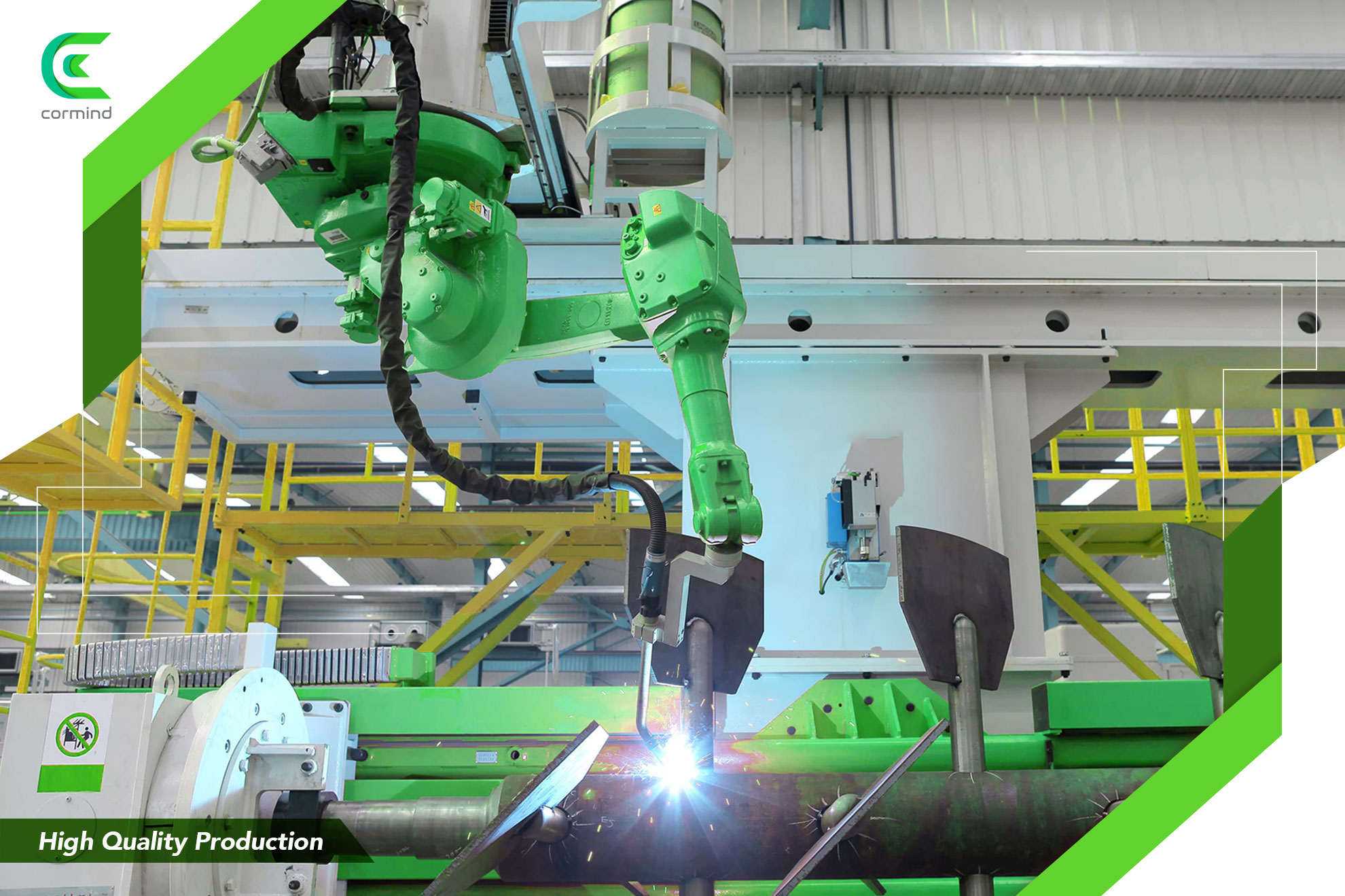
high quality production
Production Opportunity Under High-Quality Standards from Start to End
The transition to unmanned factory automation is necessary to keep the cost at a minimum level in all different sectors and to achieve the same high level of quality at all times. Machines with different features and providing quality support within the scope of software updates have accelerated the transition to unmanned factory automation. These systems are used widely today as an important factor for low-cost, high-security, and quality products.
Production has been carried out by mechanization with mechanization in the form of completely unmanned fabrication for several years in many different developed countries of the world. Machines within the scope of the numerical control process carry out everything from the production line to the shipping with automatic software. Authorized personnel can monitor the production process in the factory from outside and via computers. These machines, which work 24/7, perform the same high-quality standard operation continuously with periodic maintenance and repair.
High Performance with a Fast Production Process
Today, these automated machine systems, which can perform the work that more than one worker can do alone, offer a high yield. These products, which are primarily used in the production of technological products, have started to be used in different industries every passing day. This technology has advanced further, especially with the industry 4.0 investments made in 2022. Today, they are used in many sectors.
by AlperSarbak | Nov 26, 2022 | Blog
It is necessary to establish a factory operating system to reduce production costs. You can check the following images to learn detailed information about Cormind‘s new generation factory operating system product, Sepex.
Production Cost Calculation
The most important consideration when determining the sale price of a product is the production cost. The production cost must be calculated exactly to reduce the production cost. Production cost calculation is not only calculating raw material costs, but it must also be calculated comprehensively. It is handled in 4 main items as fixed production expenses, variable production expenses, raw material, and material expenses, and labor expenses. Making these calculations in excel or manually will be a waste of time and they are not the ideal choice for detailed calculations. Data must be entered manually, and major expenses are written here. On the other hand, it is possible to obtain much more detailed reports with software such as Sepex.
The margin of error will be minimized while calculating the production cost with the help of automation software such as the Sepex system. You will receive notifications immediately about malfunctioning machines and these machines can turn themselves off in any failure once the necessary configurations are made. In this way, the machine will not work idle and deform itself while you save electricity and most importantly, not waste raw materials.
You can be aware of what is going on in each band in the production thanks to these software, which instantly monitors different variables such as electrical leakage, overcurrent, etc. Thanks to automation systems, it is even possible to access all this data remotely without being present in the factory.
Production Cost Expenses
These can be classified as:
- Raw Material and Material Expenses
- Employee Salaries and Expenses
- Outsourced Services
- Taxes and Fees
- Depreciations
- Amortizations
- Financing Expenses
- Supply Expenses
- R&D Expenses
- Marketing Expenses
- Logistics Expenses
- Management Expenses
The costs that need to be met by the companies differ according to the fields in which they operate. In a business (factories), which engages in production, production costs such as expenses in the purchase of raw materials, expenses of auxiliary substances and materials used during production, labor costs to be used in the production phase of this product, basic as well as general scope production expenses such as electricity, water, heating, etc., used for the facility to fulfill its basic activities among the costs incurred before the product is in inventory.
What are the factors that increase the cost
What Are the Factors that Increase the Cost?
Some non-essential expenses and periodic expenses that start and end in a certain date range increase the cost. In addition to this, the budgets that some companies allocate for R&D, which they have to allocate, also affect the increase in costs within the scope of research and development expenses. Expenses such as advertisements, promotions, visits, gifts, donations, and sponsorships made for the purpose of selling the product, which its R&D and production have been completed, in the domestic or foreign market make the sales and distribution expenses as a part of marketing strategy.
Bank loans, leasing expenses, participation in fairs and organizations, travel and accommodation costs of these participations, and labor (insurance, salary, social opportunities, etc.), which will be used from production to sales and marketing, increase the cost per unit of the product. These expenses are also regarded as the general administrative expenses and financial expenses of the business.
The fact that not intervening in the general disruptions in production immediately is among the factors that increase the cost.
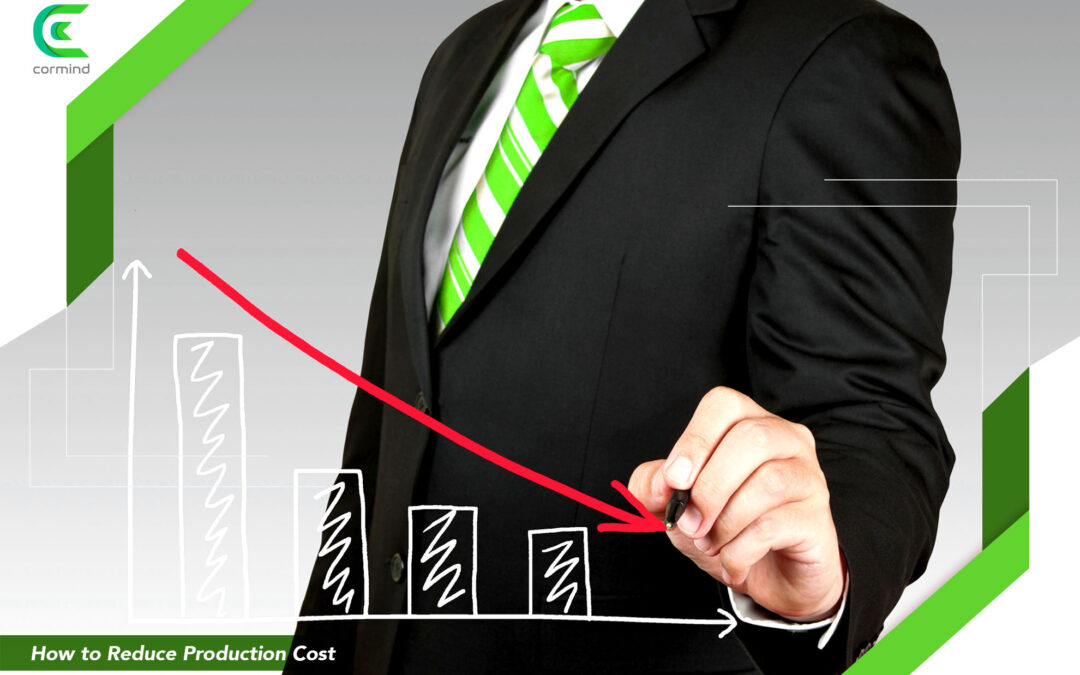
How Can You Reduce the Production Cost?
The most efficient way is not reducing the quality of the product or service to reduce costs but perceiving the value of the product as a plus and increasing the demand for the product to ensure profitability depending on the stock turnover rate. In businesses, where certain reports are not prepared and there is no production plan, the thing that is generally preferred to reduce costs is to use poor-quality products. As you can make a profit in the short run, this will accelerate the end of the business in the long run. Therefore, you should definitely seek professional assistance and obtain production monitoring and management system software. Our Sepex product has no setup fee. Please contact us for more detailed information:
by AlperSarbak | Nov 23, 2022 | Blog
Industry 4.0 principles; The concept of industry 4.0, does not contradict the concept of the future, but rather integrates and minimizes the mistakes in the business world and proves that not only humans can think but also machines. The most important cornerstone of industry 4.0 principles is IoT technology. IoT is a system that allows objects to communicate with each other and share the data obtained as a result of this communication with the manager.
History of Industry 4.0
- The steam engine was invented in 1712 and production facilities with machines started to establish in the 18th century.
- Mass production, which was created by separating into two parts as electricity and workforce, was started in the 19th century with the inventions of the telegraph in 1840 and the telephone in 1880.
- The first microcomputer (Altair 8800) was introduced in 1971 and Apple 1 was introduced in 1976. These two inventions are important developments for the industry in the 20th century.
- A new era has begun in the 21st century with autonomous machines and virtual environments. AutoIDLab, the Internet of Things, and the Cellular Transport System took their places in history in 1988, 2000, and 2010, respectively.
industry 40 principles
Virtualization in the 4th Industrial Revolution
This concept, which is defined as the virtual copy of smart factories; is realized by linking sensor and system data with simulation models and virtual facilities.
Autonomous Management: It refers to cyber-physical systems in which smart factories can make their own decisions.
Industry 4.0. Interoperability
It allows people and smart factories to communicate with each other by benefiting from the Internet of Things and the Internet of Services. The devices in the factory can communicate with each other with a feature enabled by IoT technology. The manager is informed directly in case of any failure in this communication, and it is possible to intervene in the system immediately.
Industry 40 Real-Time Capability
It refers to analyzing the generated data. The most important innovation introduced with industry 4.0 is the real-time and accurate readability of data. It aims to achieve maximum performance by collecting the data of the devices on a single master device and analyzing them by the system analyst. It is possible to intervene instantaneously in case of failures or incorrect events. Also, you do not need to be physically close to the device for this intervention. In other words, even if you are away from the factory, you can intervene in production in real time.
Industry 4.0 Modularity
It provides a flexible adaptation system to smart factories because of the requirements of individual modules that need to change. You used to need to supply a new version of a large device or supply a different device to make a small change in production before Industry 4.0. However, thanks to the developing technology, you can achieve your goals with very simple software interventions. In this way, you achieve increased diversity in production. You can focus on R&D and innovation.
Industry 4-0 Service Orientation
Cyber-physical systems, people, and smart factory operating systems have been made accessible to everyone with the Internet of Services.
Industry 4.0 principles present the future to us so comfortably and cautiously that we all wonder what may happen in the next five years. Industry 4.0 is referred to as the fourth industrial revolution. We can define the first revolution as mechanical production systems created by using the power of steam and water; the second revolution as mass production with electric power, the third revolution as the digital revolution and we can define the fourth revolution by living it. It is because the 4.0 Industrial Revolution has opened the door to endless industrial technology. Many innovations such as factories working without manpower, devices communicating with each other, systems that start/end production with outside intervention without being inside the factory, error-free uniform production, and product development in an easy way came into our lives with the 4th industrial revolution. The entire system automatically communicates and informs the manager from efficient use of electricity to a small pixel error. We are going to enjoy a unique industrial revolution with the development of artificial intelligence technology.