


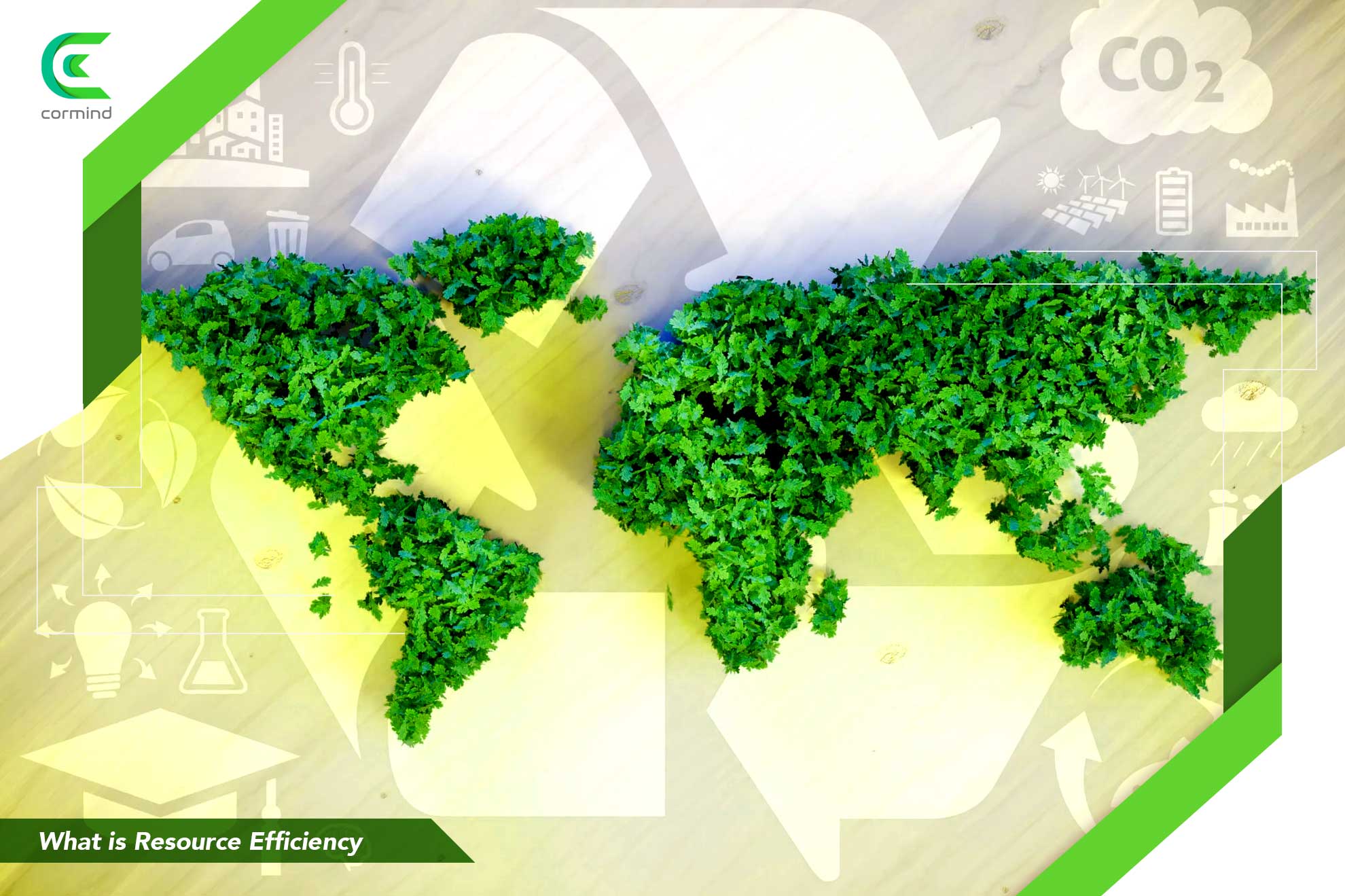
Resource efficiency refers to the ability of a business to use production resources such as energy, water, raw materials, time, and manpower with minimal loss and maximum efficiency. While contributing to cost reduction, it also yields significant outcomes in environmental sustainability, competitive advantage, and operational efficiency.
The goal is to obtain the same or higher quality output with fewer inputs, enhancing effectiveness by preventing waste in production processes. The rising energy costs, decreasing natural resources, and increasing environmental obligations make it essential for businesses to use resources more efficiently. Therefore, resource efficiency not only improves short-term operational performance but also lays the foundation for long-term sustainable growth.
The Importance of Resource Efficiency for Businesses
Resource efficiency is a critical issue that directly affects both the financial and environmental performance of businesses. Efficient use of resources allows businesses to lower production costs, gain a competitive edge, and shift to an environmentally friendly production model. Especially considering that energy and raw material costs occupy a significant portion of operational budgets, more effective use of resources becomes a direct factor in increasing profitability.
Additionally, resource efficiency strengthens corporate reputation. Companies that are environmentally conscious and engage in sustainable production are preferred more by both customers and investors. Efficient resource use also reduces risks that may arise in production processes, thereby increasing operational safety and flexibility. In summary, resource efficiency reflects an environmentally friendly approach while forming the foundation of a competitive, resilient, and innovative business structure.
Common Problems That Increase Resource Consumption
Many common problems that increase resource consumption stem from invisible but highly impactful waste areas in production processes. First, unplanned and forecast-based production systems lead to the use of excessive energy and materials. Overproduction increases stock costs and leads to unnecessary use of energy, water, and labor.
Technological shortcomings, old machines, or systems operating with manual processes also result in inefficiencies. Energy leaks, equipment failures, and uncontrolled production parameters accelerate resource consumption.
Moreover, the lack of data and low traceability of processes make it difficult to detect waste. Mistakes in workforce planning, incorrect material use, or lack of maintenance are also major contributors to high total resource consumption. Continuous monitoring of resource usage and support from digital systems are crucial to overcoming these problems.
Strategies to Improve Resource Efficiency
Businesses must employ various strategies to use their resources more effectively. These strategies encompass both streamlining operational processes and enhancing technological infrastructure.
Process Improvement and Lean Manufacturing
Process improvement activities aim to optimize resource usage to achieve greater output with fewer inputs. Lean manufacturing philosophy provides a strong foundation in this regard. Eliminating all non-value-adding activities, preventing waste, and continuously reviewing processes minimize unnecessary resource consumption in production. Process management supported by lean tools and techniques enables planned, measurable, and flexible use of resources.
Energy and Water Saving Practices
Energy and water are critical inputs of production systems and are often consumed uncontrollably. Practices such as efficient lighting systems, energy recovery technologies, waste heat management, and automatic on-off systems can significantly reduce energy consumption.
For water saving, recovery systems, closed-loop cooling systems, and leakage monitoring sensors can be used. These applications not only provide direct savings but also contribute to reducing the carbon footprint.
Recycling and Waste Reduction Systems
Circular use of resources is a critical strategy for sustainable efficiency. Through recycling systems, waste materials generated during the production process can be reused.
Moreover, reducing production waste significantly decreases the amount of raw material used and the cost of disposal. Separating waste at its source, systematically collecting reusable materials, and reintegrating them into production are essential steps of this process. This reduces environmental impact while also yielding economic gains.
The Contribution of Digitalization and Automation
Digitalization is one of the most effective enhancers of resource efficiency. Digital systems that offer real-time data collection, analysis, and reporting make resource consumption visible and reveal improvement opportunities.
Automation systems minimize human error and ensure that resources are used more consistently and precisely. Especially with digital solutions in energy management, machine efficiency, and production planning, resource usage decreases while efficiency increases.
Digital Transformation and Resource Efficiency
The digital transformation brought by Industry 4.0 offers significant opportunities for businesses aiming to improve resource efficiency. Innovative solutions such as the Internet of Things (IoT), big data analytics, artificial intelligence, and digital twin technologies allow real-time monitoring and optimization of resources.
With digital twin technology, simulations of production lines can be created to develop preventive strategies for resource usage. AI-powered analytics systems learn from past data to offer the most suitable resource usage scenarios. All these technologies not only reduce production costs but also contribute to environmental sustainability and support businesses in achieving their corporate social responsibility goals.
Resource Efficiency with AI Agent-Based Smart Systems
In traditional production processes, resource usage is typically managed through guesswork-based decisions, leading to the waste of critical resources such as energy, raw materials, and labor. However, AI agent-based systems today have the power to optimize decisions about how, when, and how much of these resources should be used in a data-driven manner.
AI agents can analyze real-time data collected from sensors and machines on the production line and automatically take the most appropriate actions. These systems enhance current efficiency while forecasting future consumption trends and enabling proactive resource management.
For example, an AI agent can analyze a machine’s energy consumption and detect unnecessary energy usage, then switch the machine to low-power mode or predict maintenance needs to prevent unplanned downtimes. Similarly, it can create scenarios that optimize raw material usage in production planning and ensure resources are used ideally at every step. This approach not only reduces costs but also improves product quality and facilitates achieving sustainability goals.


