by Ercin Temel | Sep 1, 2025 | Blog
Data has become the most valuable raw material in today’s world. However, transforming raw data into real value is only possible with systems that can interpret, analyze, and convert it into action. At the core of this need lies machine learning, one of the most potent components of modern technology, with its ability to adapt to changing conditions and improve over time.
These systems identify patterns based on historical data, make predictions, and automate decision-making processes. Unlike traditional software approaches, they offer a dynamic learning process that produces more accurate results with each new data input.
From manufacturing to healthcare, financial analysis to supply chain management, machine learning applications are transforming business practices by creating faster, more efficient, and more flexible structures.
What is Machine Learning?
Machine learning is a branch of artificial intelligence that enables computers to learn from data and make decisions without predefined rules. This technology allows machines to make predictions about future events by learning from past data.
Machine learning systems utilize large datasets to build models. These models are applied to real-world scenarios to evaluate performance and progressively produce more accurate and efficient outcomes. Especially in multivariable, complex, and constantly changing systems, machine learning plays a unique role in constructing data-driven decision-making processes that can operate without human intervention.
Today, its flexibility and capacity for continuous improvement are at the core of the revolutions it has brought across various industries.
How Does Machine Learning Work?
Machine learning is a statistically based process where algorithms learn patterns from data to make decisions. Rather than following a step-by-step traditional programming approach, the algorithm learns and improves through exposure to data. Model development generally progresses through the following stages:
-
Data Collection and Compilation
High-volume, accurate, and representative data is essential for the success of machine learning models. This data can come from sensors, databases, historical transaction records, or manual entries. In the first stage, data is collected, sources are identified, and compatibility with project goals is analyzed.
-
Data Preprocessing and Cleaning
Raw data is typically not suitable for direct analysis. Therefore, missing, corrupted, or duplicate information is cleaned. Numerical data is normalized, categorical data is transformed, and datasets are formatted in a way that algorithms can interpret. This step is critical as it directly affects the model’s learning process.
-
Algorithm Selection
The most appropriate learning method is chosen from supervised, unsupervised, semi-supervised, or reinforcement learning approaches. Then, an algorithm such as decision trees, support vector machines, clustering methods, neural networks, or regression is selected to begin the process.
-
Model Training
Prepared data is introduced to the chosen algorithm. The model learns the relationship between inputs and the correct outputs. During this process, the model enhances its pattern recognition through iterative improvements. High performance is not expected during initial training; improvement comes with time.
-
Testing and Validation
The model is tested with previously unseen data. These test datasets are separate from those used during training. At this stage, prediction accuracy, error rate, and performance metrics are evaluated. The goal is to test the model’s generalizability and reliability.
-
Fine-Tuning and Performance Enhancement
Based on the test results, model parameters (e.g., learning rate, network structure, decision thresholds) can be readjusted. This is known as hyperparameter optimization and helps the model produce more accurate results.
-
Model Deployment and Monitoring
Once successfully trained and tested, the model is deployed to process real-time data. At this stage, the system makes predictions and decisions, and continuously updates itself as necessary. The long-term performance of the model is also monitored, and it is retrained as needed.
Main Types of Machine Learning
Machine learning revolves around three main learning types. Each offers different approaches to solving various problems and is designed to work with specific data structures.
Supervised Learning
Supervised learning is based on a training process where the system has access to both input data and corresponding correct outputs. This type of learning allows the model to make accurate predictions based on past data.
For example, a model trained with data from past failures on a production line can alert when similar signals are detected. Supervised learning is commonly used in classification, regression, and predictive analytics.
Unsupervised Learning
In unsupervised learning, the system works solely with input data and autonomously discovers patterns or groupings. Since there are no labeled outputs, algorithms identify similarities or anomalies within datasets. This type is used in segmentation, anomaly detection, and market analysis. It’s also effective in identifying abnormal behavior in machines within production systems.
Semi-Supervised Learning
Semi-supervised learning combines supervised and unsupervised learning. It uses a small amount of labeled data and a large amount of unlabeled data to train the model. This approach is beneficial when data is abundant, but labeling it all is costly or time-consuming.
The model initially learns basic relationships from the limited labeled data, then expands this knowledge using the unlabeled data to identify general patterns. Semi-supervised learning is effectively used in image recognition, natural language processing, medical diagnosis systems, and customer behavior analysis.
It has become highly valuable in recent years for increasing accuracy and saving labeling time—especially in digital environments with rapidly growing data volumes.
Reinforcement Learning
Reinforcement learning is based on the principle of a system interacting with its environment to learn the optimal strategy. The algorithm is rewarded or penalized based on the result of each action, gradually learning the best behavior.
This method is commonly used in robotics, autonomous systems, and process automation, where continuous decisions and feedback are critical.
Types of Machine Learning Algorithms
Machine learning algorithms vary based on the nature of the problem and cover a broad range. From basic regression models to complex artificial neural networks, numerous algorithms have been developed for various use cases.
- Regression Models: These algorithms model the relationship between numerical variables and make predictions with new data. They are effective in forecasting continuous values such as energy consumption or production time.
- Decision Trees: These models show how a system should proceed between different options. Useful in modeling the steps that should be taken under specific conditions in production lines. Their transparent structure allows for straightforward interpretation.
- K-Means Clustering: This algorithm groups data based on similarities. It is commonly used in quality control and segmentation to structure data clusters. It is a typical example of unsupervised learning.
- Neural Networks (Artificial Neural Networks): Used in deep learning, these models can analyze large volumes of data and identify complex patterns. Suitable for working with big datasets in areas such as image recognition, sound processing, or failure prediction.
- Reinforcement Learning Algorithms: These help the system optimize action plans based on environmental feedback. Widely used in the learning processes of production robots and logistics route optimization.
Why is Machine Learning Important?
Machine learning enables every data-driven system to be faster, more accurate, and more predictable. For businesses, it offers the capacity to uncover complex relationships that cannot be detected through manual analysis. Especially in production systems processing high-volume data, machine learning is indispensable for real-time analysis, predictive decision-making, and continuous optimization.
Additionally, machine learning directly contributes to reducing risks in operational processes, improving quality, lowering costs, and increasing customer satisfaction. In highly competitive industries, the ability to foresee the future based on past data offers significant advantages. Therefore, machine learning is a critical technology that adds value to both daily operations and long-term planning.
Proactive Decision-Making with Machine Learning
While traditional business models often rely on reactive decision-making, machine learning enables a proactive approach. With models developed from data, businesses can predict events before they occur and take preventive measures accordingly.
This is particularly beneficial in areas such as failure prediction, demand planning, energy management, and capacity optimization.
Machine learning-powered decision systems forecast future scenarios using historical data while continuously monitoring environmental variables to update their models. This forms a dynamic and autonomous decision-making mechanism that quickly adapts to changing conditions, enhancing both operational efficiency and organizational agility.
by AlperSarbak | Aug 28, 2025 | Blog
Resource efficiency refers to the ability of a business to use production resources such as energy, water, raw materials, time, and manpower with minimal loss and maximum efficiency. While contributing to cost reduction, it also yields significant outcomes in environmental sustainability, competitive advantage, and operational efficiency.
The goal is to obtain the same or higher quality output with fewer inputs, enhancing effectiveness by preventing waste in production processes. The rising energy costs, decreasing natural resources, and increasing environmental obligations make it essential for businesses to use resources more efficiently. Therefore, resource efficiency not only improves short-term operational performance but also lays the foundation for long-term sustainable growth.
The Importance of Resource Efficiency for Businesses
Resource efficiency is a critical issue that directly affects both the financial and environmental performance of businesses. Efficient use of resources allows businesses to lower production costs, gain a competitive edge, and shift to an environmentally friendly production model. Especially considering that energy and raw material costs occupy a significant portion of operational budgets, more effective use of resources becomes a direct factor in increasing profitability.
Additionally, resource efficiency strengthens corporate reputation. Companies that are environmentally conscious and engage in sustainable production are preferred more by both customers and investors. Efficient resource use also reduces risks that may arise in production processes, thereby increasing operational safety and flexibility. In summary, resource efficiency reflects an environmentally friendly approach while forming the foundation of a competitive, resilient, and innovative business structure.
Common Problems That Increase Resource Consumption
Many common problems that increase resource consumption stem from invisible but highly impactful waste areas in production processes. First, unplanned and forecast-based production systems lead to the use of excessive energy and materials. Overproduction increases stock costs and leads to unnecessary use of energy, water, and labor.
Technological shortcomings, old machines, or systems operating with manual processes also result in inefficiencies. Energy leaks, equipment failures, and uncontrolled production parameters accelerate resource consumption.
Moreover, the lack of data and low traceability of processes make it difficult to detect waste. Mistakes in workforce planning, incorrect material use, or lack of maintenance are also major contributors to high total resource consumption. Continuous monitoring of resource usage and support from digital systems are crucial to overcoming these problems.
Strategies to Improve Resource Efficiency
Businesses must employ various strategies to use their resources more effectively. These strategies encompass both streamlining operational processes and enhancing technological infrastructure.
Process Improvement and Lean Manufacturing
Process improvement activities aim to optimize resource usage to achieve greater output with fewer inputs. Lean manufacturing philosophy provides a strong foundation in this regard. Eliminating all non-value-adding activities, preventing waste, and continuously reviewing processes minimize unnecessary resource consumption in production. Process management supported by lean tools and techniques enables planned, measurable, and flexible use of resources.
Energy and Water Saving Practices
Energy and water are critical inputs of production systems and are often consumed uncontrollably. Practices such as efficient lighting systems, energy recovery technologies, waste heat management, and automatic on-off systems can significantly reduce energy consumption.
For water saving, recovery systems, closed-loop cooling systems, and leakage monitoring sensors can be used. These applications not only provide direct savings but also contribute to reducing the carbon footprint.
Recycling and Waste Reduction Systems
Circular use of resources is a critical strategy for sustainable efficiency. Through recycling systems, waste materials generated during the production process can be reused.
Moreover, reducing production waste significantly decreases the amount of raw material used and the cost of disposal. Separating waste at its source, systematically collecting reusable materials, and reintegrating them into production are essential steps of this process. This reduces environmental impact while also yielding economic gains.
The Contribution of Digitalization and Automation
Digitalization is one of the most effective enhancers of resource efficiency. Digital systems that offer real-time data collection, analysis, and reporting make resource consumption visible and reveal improvement opportunities.
Automation systems minimize human error and ensure that resources are used more consistently and precisely. Especially with digital solutions in energy management, machine efficiency, and production planning, resource usage decreases while efficiency increases.
Digital Transformation and Resource Efficiency
The digital transformation brought by Industry 4.0 offers significant opportunities for businesses aiming to improve resource efficiency. Innovative solutions such as the Internet of Things (IoT), big data analytics, artificial intelligence, and digital twin technologies allow real-time monitoring and optimization of resources.
With digital twin technology, simulations of production lines can be created to develop preventive strategies for resource usage. AI-powered analytics systems learn from past data to offer the most suitable resource usage scenarios. All these technologies not only reduce production costs but also contribute to environmental sustainability and support businesses in achieving their corporate social responsibility goals.
Resource Efficiency with AI Agent-Based Smart Systems
In traditional production processes, resource usage is typically managed through guesswork-based decisions, leading to the waste of critical resources such as energy, raw materials, and labor. However, AI agent-based systems today have the power to optimize decisions about how, when, and how much of these resources should be used in a data-driven manner.
AI agents can analyze real-time data collected from sensors and machines on the production line and automatically take the most appropriate actions. These systems enhance current efficiency while forecasting future consumption trends and enabling proactive resource management.
For example, an AI agent can analyze a machine’s energy consumption and detect unnecessary energy usage, then switch the machine to low-power mode or predict maintenance needs to prevent unplanned downtimes. Similarly, it can create scenarios that optimize raw material usage in production planning and ensure resources are used ideally at every step. This approach not only reduces costs but also improves product quality and facilitates achieving sustainability goals.
by Ercin Temel | Aug 25, 2025 | Blog
In today’s world, where digitalization has transformed every process from production to the supply chain, inventory management has become too complex to be maintained with static and manual methods. Every product movement within the warehouse is more than just a material entry or exit; it is a strategic step that increases the overall efficiency of the business, supports customer satisfaction, and enables cost control.
Real-time inventory tracking makes this process more transparent and manageable by providing the ability to monitor the location and status of products in real time. When used in conjunction with smart storage systems, this method makes inventory management proactive, reducing errors, increasing efficiency, and providing a competitive advantage.
What is Real-Time Inventory Tracking?
Real-time inventory tracking refers to the instant monitoring of warehouse and inventory movements and their continuous updating through digital systems. These systems track the locations, movement statuses, and inventory levels of products within seconds and provide this information to the user. In traditional inventory management, updates are made manually at specific intervals, whereas in real-time systems, they occur continuously and automatically. This ensures that not only inventory quantities but also material flow and warehouse operations are continuously monitored, thereby making processes more efficient and sustainable.
The Logic Behind Providing Instant Data Flow
Real-time functionality is achieved by establishing a seamless connection between data sources and management systems. Every movement within the warehouse is automatically detected through sensors or identification technologies. This data is transmitted to central software and analyzed through the system. This structure enables inventory levels to be automatically updated, shortages or surpluses to be immediately identified, and no time to be wasted in taking action.
The Contribution of RFID, Barcode Systems, and IoT Sensors
Some of the most important technologies in the digitalization of inventory tracking are RFID (Radio Frequency Identification), barcode readers, and IoT sensors. RFID tags can be read without physically touching the products and can identify multiple products simultaneously. While barcode systems offer a more economical solution, IoT sensors contribute to the protection of critical products by monitoring environmental conditions such as temperature and humidity. These technologies enhance the accuracy and scope of inventory data, thereby supporting decision-making processes.
Core Components of Smart Storage Systems
A robust physical infrastructure integrated with software systems is required for real-time inventory tracking to function effectively. Smart storage systems gain functionality through the integrated operation of technological hardware and software components. Selecting the right hardware equipment is critical to ensure that every movement within the warehouse is traceable and controllable. These components, ranging from sensors to scanners, smart shelves to data communication networks, not only digitize inventory management but also provide a highly accurate, error-free, and speed-focused operating environment.
Hardware Infrastructure: Sensors, Scanners, Smart Shelves
The foundation of a smart warehouse system lies in physical equipment. Sensors collect data by detecting product movements. Barcode or RFID scanners process product identities into the system. Smart shelf systems optimize product placement and facilitate processes such as relocation. All this equipment ensures that warehouse operations are carried out faster and without errors.
Software Infrastructure: WMS (Warehouse Management System), ERP Integrations
A robust software infrastructure is required to make sense of the data collected by the hardware. WMS software systems plan and manage all internal warehouse processes. These software systems integrate with ERP systems to connect with production, order, shipping, and financial processes. As a result, warehouse management becomes part of the corporate system, and all business processes proceed in a synchronized manner.
Cloud-Based Data Management and Remote Access
In modern warehouse systems, data is stored on cloud-based platforms as well as local servers. This structure increases operational flexibility by providing access to information at any time from different locations. Cloud-based structures also reduce maintenance costs, minimize the risk of data loss, and increase the scalability of the system.
Advantages of Real-Time Inventory Tracking for Businesses
Delays, errors, and lack of foresight in traditional inventory management are major issues that directly affect the operational efficiency of businesses. Real-time inventory tracking minimizes these problems and offers a fast and reliable solution. Instant data collected from the field allows the system to clearly see the current situation and detect potential risks before they arise. This enables businesses to make more accurate decisions, use their resources more efficiently, and make their processes more sustainable.
Reduction of Errors
Errors associated with manual entries are one of the most common problems in inventory management. Real-time systems minimize these errors and increase accuracy through automatic data entry.
Preventing Inventory Surplus or Shortages
Since the actual inventory levels of products are monitored in real time, excessive inventory buildup or critical shortages are prevented. This reduces costs and ensures operational continuity.
Increased Operational Efficiency
When inventory levels are managed correctly, processes such as material procurement, production planning, and shipping become more streamlined. Unnecessary delays are eliminated, and labor is used more efficiently.
Reduced Logistics and Inventory Costs
Warehouse space optimization and preventing unnecessary inventory directly impact costs. Businesses save money through reduced space, energy consumption, and transportation costs.
Increased Customer Satisfaction
Timely order preparation and error-free product delivery enhance customer satisfaction. Real-time tracking systems make this success sustainable.
Supply Chain Transparency
Digitally tracking all product movements provides transparency in the supply chain. This enables more reliable relationships with business partners and healthier supply planning.
Differences Between Real-Time Tracking and Manual Tracking
The success of data-driven management in production and logistics processes is directly dependent on the quality of the tracking method used. In traditional manual tracking systems, data is manually entered into the system at the end of shifts or at specific intervals. This approach increases operational risks due to its susceptibility to human error and delayed interventions. In environments with high product flow, manual systems inevitably produce inconsistencies.
Real-time tracking systems, on the other hand, record all processes in real-time through digital sensors, barcode/RFID readers, and integrated software. This enables material movements, production steps, or stock changes to be monitored in real time, with data used to reflect the current situation rather than based on retrospective estimates. This distinction not only accelerates operational processes but also significantly improves the accuracy of decision-making. As a result, time loss is prevented, and more effective strategies can be developed.
The real-time systems’ level of up-to-date information and automation maximizes inventory accuracy, increases order fulfillment speed, and frees human resources from low-value-added tasks such as manual data entry. Especially in businesses with multiple locations, high volumes, or variable product structures, the difference between these two approaches becomes a strategic factor that directly reflects operational excellence.
Sectoral Applications
Real-time inventory tracking is important for all sectors, but it has become indispensable in some industries. The effective use of these technologies directly affects the competitiveness of businesses in areas where product movements are fast, order volumes are high, and supply chains are complex. Especially in industries where inventory errors are difficult to rectify, real-time monitoring and automation systems reduce costs and increase customer satisfaction.
E-Commerce and Retail
Due to high order volumes and short delivery times, inventory management is critical for this sector. Real-time tracking systems prevent inventory errors and increase customer satisfaction.
Automotive and Spare Parts Sector
In this sector, where thousands of small parts are managed, incorrect inventory information can disrupt production. Real-time tracking ensures the continuity of the assembly line.
Food and Pharmaceutical Logistics
Due to sensitivities such as expiration dates and temperature, inventory tracking is of great importance in the food and pharmaceutical sectors. Systems supported by IoT sensors minimize these risks.
Production and Assembly Lines
For production continuity, materials must be supplied at the right time and in the right quantity. Real-time systems dynamically manage material flow, reducing production losses.
Inventory Management Enhanced by IoT, 5G, and Artificial Intelligence
With the advancement of technology, inventory management systems have evolved beyond simple tracking mechanisms to become intelligent structures capable of data-driven analysis and evaluating potential scenarios in advance. Innovative technologies such as IoT, 5G, and artificial intelligence are taking supply chain management to a new level by bringing speed, accuracy, and flexibility to warehouse operations. The ability to track physical inventory with digital twins, analyze real-time data at high speeds, and implement automated decision-making processes enables businesses to manage their inventory in a smarter, safer, and more efficient manner.
Real-Time Tracking of Objects with IoT
The Internet of Things (IoT) is one of the most revolutionary technologies in warehouse management. IoT sensors and devices continuously provide data to the central system by tracking the location, temperature, humidity levels, and movements of products in real time. This real-time tracking offers a significant advantage, especially in preventing products from being lost or placed on the wrong shelves.
Additionally, the system analyzes the waiting time at the product’s location, contributing to the optimization of warehouse layout strategies. With this level of detailed data, inventory accuracy improves, inventory counting processes are shortened, and the risk of human error is minimized.
Faster Data Transfer and Latency-Free Analysis with 5G
The high speed and low latency provided by 5G technology significantly enhance the real-time decision-making capabilities of warehouse management systems. Large amounts of data from IoT sensors reach the center in milliseconds, enabling near-real-time analysis. This makes it possible to make critical decisions without delay, especially in industries with fast product cycles.
Thanks to the instant data flow, sudden changes in stock levels, order increases, or fault notifications are immediately detected by the system, and operational actions can be taken. In this way, 5G increases data transfer speeds while also taking the overall responsiveness of systems to the next level. With reduced latency, instant decision-making processes are carried out more effectively.
Artificial Intelligence for Automatic Inventory Forecasting and Order Optimization
Artificial intelligence algorithms analyze past sales data, seasonal demand changes, customer habits, and supply times, among many other variables, to accurately predict the amount of inventory that will be needed in the future. Thanks to these predictions, businesses are protected from idle costs due to excess inventory or customer losses due to insufficient inventory.
Additionally, AI systems automatically determine the optimal timing for placing orders, selecting the most suitable procurement window. This ensures a seamless supply chain structure, maintains inventory levels at an ideal capacity, and automates procurement processes, enabling human resources to be redirected to more productive areas.
Challenges and Adaptation Process
Although real-time inventory tracking and smart storage systems offer significant advantages, they also bring various challenges. This transformation process is not limited to technology, but also brings about a multidimensional change that deeply affects operational processes and corporate culture. Integrating existing systems with new structures, adapting employees to new technologies, and ensuring data security are critical factors for a successful transformation.
High Initial Costs
The installation of systems that enable real-time inventory tracking can require significant investment, especially in the initial stages. RFID readers, IoT sensors, automatic scanners, smart shelving systems, and the software infrastructure to manage this hardware represent a significant cost in terms of both equipment and installation.
Additionally, technical support and consulting services may be required to adapt these systems to the company’s existing infrastructure. However, although these costs may seem high in the short term, the return on investment can be achieved quickly thanks to the increase in efficiency, labor savings, reduction in error rates, and decrease in inventory costs in the long term.
With proper planning and phased implementation, these initial costs become a sustainable investment.
Integration Challenges with Existing Systems
The successful operation of new-generation smart systems depends on their full compatibility with existing corporate structures. However, in many businesses, legacy ERP software, manual record-keeping systems, or analog inventory methods currently in use may hinder this compatibility.
One of the biggest challenges in technological transition is ensuring that new systems integrate seamlessly with these legacy structures. Inappropriate integrations can lead to system conflicts, data loss, or operational disruptions. Therefore, data mapping, integration protocols, and system testing must be carefully executed during the transition process, and phased transition and parallel operation methods should be applied if necessary.
Staff Training and Technological Adaptation
Even the most advanced systems cannot deliver the expected performance unless they are used effectively by users. Therefore, staff training is the cornerstone of the technological adaptation process. Operators, warehouse managers, and technical teams must receive detailed training on how to use the new system’s interfaces, how to identify and respond to potential errors, and other related topics.
Training should include content that increases awareness, such as why the system is important, how it contributes to the workflow, and what data it works with, in addition to technical usage. User-friendly interfaces, guided dashboards, and online support mechanisms are also among the elements that accelerate the adaptation process.
Data Security and System Continuity Risks
Cloud-based, remotely accessible, and IoT-supported systems may offer efficiency advantages, but they also bring significant cybersecurity risks. The leakage of sensitive inventory data to third parties or cyberattacks on systems can cause significant operational damage. Therefore, security measures such as strong encryption protocols, firewalls, and multi-factor authentication should be an integral part of the system.
Additionally, measures such as backup solutions, alternative servers, and uninterruptible power supplies should be planned to ensure system continuity, preventing data loss and operational downtime even in the event of a technical failure. These measures form the cornerstones of a secure and sustainable warehouse management system.
Warehouses of the Future: Fully Automated, Autonomous, and Self-Learning Systems
Unlike traditional management approaches, warehouses of the future go beyond automation and become smart systems that integrate artificial intelligence and autonomous technologies, analyze environmental conditions, and direct processes on their own. Among the most prominent components of this transformation are AGVs (Automated Guided Vehicles), robotic arm systems, smart shelving structures, and sensor-supported inventory systems. Thanks to these tools, processes such as product transportation, placement, collection, and redirection can be carried out entirely without human intervention.
AI-powered learning algorithms are one of the most critical components of these autonomous structures. The system analyzes past transaction data to determine where each product should be stored for maximum efficiency, optimizes stock placement based on order frequency, and can predict supply chain disruptions in advance. Processes are managed in a flexible and dynamic structure based on environmental variables, performance data, and demand trends, without being tied to static commands. This both increases operational efficiency and creates an error-free and sustainable warehouse management infrastructure.
The warehouses of the future stand out as structures that contribute to sustainability goals such as reducing environmental impacts and optimizing resource use, in addition to their technological capabilities. These systems, which consume less energy, maximize space utilization, and reduce labor requirements, are taking warehouse management to a whole new level. In line with these developments, systems with self-learning and self-management capabilities are no longer a future vision but have become an indispensable strategic element for competitive businesses.
by Ercin Temel | Aug 21, 2025 | Blog
In today’s competitive manufacturing environment, efficiency is achieved not so much by production volume as by the data-driven, accurate, and timely management of resources. Especially in dynamic market conditions, the transparency, traceability, and intervenability of production processes offer companies significant advantages. At this point, real-time production tracking has become a critical technological tool that provides businesses with control at both the operational and strategic levels. By collecting data from every stage of production and analyzing this data, it is possible to not only resolve issues but also continuously improve processes.
What is Real-Time Production Tracking?
Real-time production tracking is a system that enables the instant monitoring, reporting, and evaluation of events occurring on the production line. These systems instantly analyze data obtained from machines, sensors, and employees and transmit it to the necessary locations. This allows for a clear view of what is happening at each stage of production and, when necessary, the production flow can be optimized with instant interventions. Unlike traditional methods, this system offers a flexible structure that can be continuously updated and guide the process with instant decisions.
The Basic Technological Infrastructure of Real-Time Tracking Systems
For real-time tracking systems to work effectively, a robust, integrated, and high-speed technological infrastructure is required. This infrastructure has a multi-layered structure that encompasses all processes of data collection, processing, analysis, and output generation. Essentially, sensors, IoT devices, data processing modules, communication protocols, and software platforms form the backbone of this infrastructure. For data from machines and processes in the production area to be meaningful, these structures must operate seamlessly.
Additionally, high-speed connection technologies such as 5G, cloud and edge computing solutions, and mobile access capabilities are modern requirements for this infrastructure. A secure, scalable, and modular infrastructure enables real-time production tracking to be easily implemented in both large-scale enterprises and medium and small-sized companies.
How to Set Up a Real-Time Tracking System? Technical Infrastructure and Requirements
In order for a real-time monitoring system to operate efficiently and sustainably, hardware, software, communication infrastructure, and security components must be planned as a whole. At the same time, it is of great importance that the system can be integrated with the existing production environment, be scalable, and be supported by user-friendly interfaces.
Hardware Infrastructure: Gateways, PLCs, and Industrial PCs
A robust hardware infrastructure is essential for real-time production tracking systems to function properly. The core components of this infrastructure are gateways, PLCs, and industrial PCs. PLCs are devices that collect data from machines on the production line, trigger specific commands, and manage the process. They are often referred to as the “brain” of factory automation. Gateway devices ensure that this data is transferred securely and seamlessly between systems operating on different protocols. Industrial PCs are powerful processing units responsible for processing, visualizing, or transmitting data to central systems. The proper positioning and integration of all these components directly affects the overall performance and reliability of the system.
Data Collection from Production with IoT Devices and Sensors
The first step in real-time tracking systems is the conversion of physical events in the production field into digital data. This process is carried out through IoT (Internet of Things) devices and smart sensors. Parameters such as temperature, vibration, humidity, pressure, speed, location, and quality are continuously monitored, and the collected data is transmitted to the relevant control systems via the network. Thanks to this data flow, the performance of every component on the production line can be monitored in real time, and immediate action can be taken when necessary.
Data Communication Protocols and Network Infrastructure (MQTT, OPC UA, 5G, Wi-Fi 6)
In real-time production tracking systems, the accurate, fast, and secure transmission of data is of great importance. The data communication protocols and network infrastructure used in this process are among the key determinants of system performance. MQTT, which can operate with low bandwidth, enables IoT devices to efficiently transmit sensor data. OPC UA is preferred for transferring more complex data structures and establishing secure communication with industrial systems. These protocols enable standard-compliant, seamless data exchange between devices.
On the network side, 5G technology easily handles heavy data traffic with high speed and low latency, while Wi-Fi 6 enables multiple devices to connect simultaneously within a local network without interruption. The right protocol selection and a robust connection infrastructure directly impact the system’s efficiency and stability.
Cloud-Based Solutions and Edge Computing Usage
Two approaches that provide both speed and flexibility in data processing stand out: cloud computing and edge computing. With cloud-based solutions, collected data is stored and analyzed on central servers. This enables access from different locations and centralized control.
On the other hand, edge computing technology enables data to be processed close to the source. This structure reduces latency, particularly in situations requiring rapid response. In real-time systems, these two structures are typically used together in a hybrid configuration.
MES (Manufacturing Execution System) and ERP Integrations
After data collection, this information must be integrated into production management systems. MES (Manufacturing Execution System) systems enable operational tracking of the production process, while ERP (Enterprise Resource Planning) systems include high-level management functions such as planning, cost, inventory, and human resources. The integration of these two systems enables the entire production process to be tracked, planned, and optimized end-to-end.
Mobile and Remote Access Capabilities
Modern production tracking should offer remote access and mobile usage capabilities as well as on-site access, providing a structure that can be managed from anywhere. Therefore, the ability of systems to work seamlessly with mobile devices offers a significant advantage. Managers can access production status, fault information, or shift performance reports in real-time via tablets or smartphones. This allows controls to be maintained from any location, regardless of time and place.
Data Security and Access Authorization Systems
The data collected is extremely critical in terms of the operational continuity and competitive advantage of the business. Therefore, ensuring the security of the system is a necessity against both cyber attacks and internal threats.
A robust data security infrastructure includes components such as encryption protocols, firewalls, two-factor authentication, and user-based authorization. In particular, it must be possible to clearly track who accessed sensitive data, when, and from which device. This structure protects data integrity while increasing the system’s resilience against malicious interference.
Real-Time Alert and Notification Mechanisms
Immediately detecting deviations, malfunctions, or delays on the production line is one of the most critical factors in determining the effectiveness of the system. Real-time alert systems automatically activate when specified threshold values are exceeded and immediately notify the relevant persons via email, SMS, mobile app notification, or voice alert. This enables early intervention in malfunctions and resolution of quality-related issues without disrupting the production process.
These systems also provide early warnings in cases of maintenance, material depletion, or performance decline, serving a preventive function. From a proactive management perspective, these notification structures are indispensable.
Redundancy and System Continuity Solutions
In a real-time system, any interruption can cause production stoppages and disrupt decision-making processes, in addition to data loss. Therefore, redundancy and system continuity solutions should be among the cornerstones of the production tracking infrastructure.
The impact of potential system failures can be minimized by using backup servers for critical components, dual network lines, UPS-supported power sources, and automatic recovery systems. Additionally, automatically backing up data at regular intervals and having rapid recovery scenarios ready in case of disasters provides an important guarantee for uninterrupted production.
Real-Time Monitoring Strategies That Increase Efficiency
Real-time monitoring systems not only monitor production processes but also enable the implementation of various applications that increase efficiency.
Instant Fault Detection and Intervention
Thanks to real-time production monitoring, faults in machines can be predicted before they occur or detected immediately. Deviations in the data collected by sensors are interpreted by the system and automatic alerts are sent to maintenance teams. This ensures that faults are addressed promptly, production is not interrupted, and maintenance processes can be managed without causing unplanned downtime.
Production Performance Monitoring (OEE, KPI, etc.)
Real-time systems monitor production performance data in real time and evaluate metrics such as equipment efficiency, workforce performance, and cycle times. Thanks to this data, operators and managers can receive immediate feedback on the process and intervene before any deviations occur.
Immediate Prevention of Defective Production
Cameras, measurement devices, and AI-powered analysis software integrated into quality control points instantly detect any errors that may occur during production. The defective product is prevented from moving along the conveyor belt, and the system initiates a process to address the source of the problem. This reduces the scrap rate and maintains product quality.
Dynamic Production Planning and Resource Management
Real-time data transforms production planning from a static process into a dynamic one. The production plan is automatically revised based on real-time machine status, operator availability, and order priorities. This ensures optimal resource utilization and more flexible fulfillment of customer demands.
Shift and Operator Performance Feedback
The systems record the number of operations performed by each operator, production quality, and downtime/interruption durations. This data enables fair and transparent performance evaluations for employees. Additionally, weak points are identified, training needs are determined, and overall workforce productivity is enhanced.
Benefits of Real-Time Tracking
Real-time production tracking provides businesses with significant advantages in many areas, including decision-making, quality management, and resource utilization, beyond simply speeding up operational processes.
Process Transparency and Control
Making every step of production observable allows managers to establish complete control over the process. Processes become more predictable, and sudden changes become manageable.
Time and Resource Savings
By eliminating unnecessary delays, unplanned downtime, and rework, time and resource usage are minimized. This significantly increases operational efficiency.
Stability in Production Quality
Quality fluctuations are prevented by immediately detecting and preventing defective production. Customer satisfaction increases, and return and revision costs decrease.
Data-Driven Strategic Decisions
Analyses obtained from real-time data provide a concrete basis for medium- and long-term decision-making processes. This reduces risks and ensures more sound strategic planning.
More Efficient Use of Labor
By identifying uneven distribution of workload and time losses, resources are planned more effectively. This positively contributes to both employee satisfaction and production performance.
Cost Advantages Provided by Real-Time Tracking
Real-time tracking systems not only enable production processes to run more efficiently, but also contribute significantly to cost control.
Reduction in Energy and Raw Material Consumption
Real-time monitoring of data ensures that machines only operate when necessary. This minimizes energy consumption and allows for more controlled use of raw materials.
Prevention of Waste and Scrap
By immediately identifying errors that may occur during production, waste from defective products is also prevented. This supports environmental sustainability and reduces costs.
Reduction of Excess Inventory and Downtime
Real-time tracking enables supply and production processes to operate more seamlessly. Excess inventory and production downtime are reduced, allowing capital to be utilized more efficiently in other areas.
Challenges and Solutions Encountered During Implementation
Although real-time production tracking systems offer many advantages, the implementation process may not always proceed smoothly. Challenges may arise in various areas, from installation costs to organizational adaptation, data security, and system integration. Anticipating these challenges in advance and developing the right strategies to address them ensures the system is implemented in a healthy and sustainable manner.
Investment Costs and Transformation Processes
The installation of real-time tracking systems can initially represent a significant cost, particularly for small and medium-sized businesses. Items such as hardware, software, network infrastructure, and consulting services increase the total investment budget. However, the increased efficiency, reduced error rates, and cost savings offered by these systems provide a quick return on investment (ROI). Conducting a detailed analysis before installation and preparing a step-by-step scalable installation plan makes this process more manageable.
Employee Adaptation to Systems and Training
The implementation of new technologies is not limited to technical installation. The key to a successful implementation is ensuring that the personnel who will actively use the system adapt to the process. Especially for operators working in the production area, designing the system with user-friendly interfaces facilitates adaptation. In addition, regular training programs, demo applications, and hands-on training sessions increase employee confidence in the system and prevent usage errors.
Data Quality and Cybersecurity Risks
The success of real-time systems depends largely on the accuracy and security of the data collected. Sensor failures, misconfigured systems, or manual interventions can reduce data quality, leading to incorrect decisions. Therefore, it is important to regularly check data sources, calibrate them, and support systems with automatic data verification algorithms.
On the other hand, systems that operate with open internet structures increase the risk of cyberattacks. To reduce this risk, strong encryption protocols, multi-factor authentication systems, and regular security updates should be implemented.
System Integration Challenges
The integration process can become complicated due to older machines, different software, or non-standard data formats. To overcome this problem, solutions with a modular and flexible structure should be preferred, and a separate integration plan should be created for each production area. In addition, performing the integration in stages both facilitates the testing process and ensures a smooth transition without disrupting production processes.
Sectoral Applications
Real-time production tracking can be adapted to different needs across various industries. The complexity of production processes, speed requirements, and quality standards determine how these systems are utilized.
Automotive Industry
Due to high-volume and precise production processes, this is one of the sectors where real-time tracking is most intensively used. It plays a critical role in preventing the production of defective parts and ensuring the assembly line operates smoothly.
Electronics and Assembly Lines
In environments with complex assembly processes and small components, real-time tracking systems offer significant advantages in reducing error margins.
Food Industry
In the food industry, where products are manufactured under conditions such as temperature, humidity, and hygiene, process tracking is of great importance in terms of both quality and legal regulations.
Textile and Fast Production Industries
In these sectors, which operate on a flexible production model based on orders, accurate planning and real-time monitoring help reduce delivery times and minimize waste rates.
Defense and Aerospace Industry
In this field, where high-precision production of critical importance takes place, even the smallest deviations can have significant consequences. Therefore, real-time monitoring systems are indispensable.
by Ercin Temel | Aug 18, 2025 | Blog
Rapid advances in artificial intelligence technologies have opened the door to a fundamental transformation in the world of manufacturing. With digitalization, factories are now becoming more flexible, more efficient, and much more predictable. At the heart of this transformation are artificial intelligence systems that accelerate decision-making processes and make them data-driven. Artificial intelligence-powered decision-making processes are taking center stage in many areas, from production to logistics, maintenance operations to resource management. Decisions are now based on real-time data analysis and powerful predictive models, alongside experience. AI-supported smart factories not only provide a competitive advantage but also enable sustainable, fast, and future-ready production models.
Smart Factories and Next-Generation Decision-Making
The digitalization process in the manufacturing sector enables factories to be managed more intelligently and efficiently through both automation and data-driven intelligence. Smart factories are equipped with technologies such as sensors, big data analytics, the Internet of Things (IoT), and artificial intelligence. As a result, machines are no longer just tools that respond to commands, but systems that can make their own decisions by sensing environmental variables. Supporting decision-making processes with machine learning models reduces the margin of error in production while optimizing resource utilization.
From Industry 4.0 to 5.0: The Evolution of Technology
Industry 4.0 represents an era in which production has been digitized, machines can communicate with each other, and data is analyzed and integrated into the process. However, with Industry 5.0, technology is being reshaped with a human-centered approach. In this new phase, artificial intelligence is working alongside human creativity and experience to develop more flexible and responsive production systems. This evolution in technology is transforming both machines and the workforce, and bringing a multi-layered approach to decision-making processes.
Why is the Transformation of Decision-Making Processes Important?
In traditional production approaches, decision-making processes are typically based on experience, intuition, or historical data. However, today’s rapidly changing market conditions, uncertainties, and competitive pressures necessitate more dynamic and accurate decision-making mechanisms. AI-supported decision-making processes enable real-time analysis and swift action by leveraging real-time data. This increases operational efficiency and enables more solid progress toward strategic goals.
Why is Artificial Intelligence at the Center of This Transformation?
Artificial intelligence plays an important role in decision-making processes thanks to its ability to analyze large amounts of data, recognize patterns, and make predictions. Machines optimize production processes without human intervention, predict potential failures in advance, and ensure more efficient use of resources. At the same time, artificial intelligence systems produce more accurate and efficient results over time thanks to their continuous learning ability. All these capabilities make artificial intelligence an indispensable component of factories.
The Concept of Smart Factory: Components and Artificial Intelligence Integration
A smart factory refers to a new generation production model in which production processes are digitized, machines and systems work in tandem, and decisions are made based on data. In this structure, production is guided not only by automation but also by environmental data and continuous analysis.
Smart factories can quickly adapt to changing market conditions, optimize production lines in real time, and achieve flexible production goals. This transformation brings about not only technological but also cultural change.
Technical Components of the Smart Factory: IoT, Sensors, Big Data
At the core of smart factories is the Internet of Things (IoT) technology, which enables machines and production tools to connect to each other via the internet. These systems collect data from every element on the production line and analyze it in real time. Sensors measure various parameters such as temperature, vibration, and humidity. This allows potential issues to be identified in advance. The big data obtained is processed using advanced analysis software and converted into meaningful information that can be used in decision-making processes. This infrastructure lays the groundwork for artificial intelligence applications to work most efficiently.
Artificial Intelligence Integration Process
The integration of artificial intelligence into smart factories is not just a matter of installing software. This process involves collecting, cleaning, labeling, and processing data with appropriate algorithms. The integration process also requires restructuring the production process and updating the division of labor model between humans and machines. This transformation is supported by internal training, infrastructure investments, and corporate compliance processes. For artificial intelligence systems to work effectively, a continuous flow of data that is constantly learning and evolving is required.
The Impact of Cyber-Physical Systems on Decision-Making Processes
Cyber-physical systems are structures that enable physical production tools and digital control systems to work together in an integrated manner. These systems allow production processes to be monitored and controlled in real time and, when necessary, automatically intervene.
These systems, supported by artificial intelligence, create real-time decision-making mechanisms and optimize every stage of the process. This minimizes errors in production and maximizes flexibility and efficiency.
Application Areas of Decision-Making Processes with Artificial Intelligence
Artificial intelligence plays an active role in decision-making processes, not just limited to data analysis. In today’s production and management structures, the application of this technology in different areas enables decisions to be made faster, more accurately, and based on data.
Production Line Optimization
Artificial intelligence identifies bottlenecks in production lines and determines the most appropriate production flow. Variables such as machine operating times, product changeover times, and maintenance times are analyzed to minimize production downtime. At the same time, processes are continuously improved based on data such as production speed, quality, and output quantity.
Logistics and Supply Chain Decisions
Supply chain management requires the simultaneous evaluation of numerous variables. Artificial intelligence enables data-driven decisions to be made at many stages, from material requirements planning to shipment route optimization.
Demand forecasting algorithms help balance inventory levels and reduce the risk of excess or insufficient stock. Additionally, delivery times are shortened to increase customer satisfaction.
Human Resources Planning
Workforce planning in smart factories is also supported by artificial intelligence. Data analytics is used in areas such as employee productivity, competency analysis, and workload distribution. Decisions such as which employees should work which shifts and which employees need training are made more effectively through algorithms. This increases both employee satisfaction and productivity.
Energy Efficiency and Resource Management
Energy consumption is a critical factor in production costs. AI-supported systems analyze energy usage in the production process to identify unnecessary consumption and develop savings measures. At the same time, efficiency is achieved in the use of water, raw materials, and other natural resources, contributing to sustainability goals.
Advantages of Decision-Making Mechanisms Enhanced by Artificial Intelligence
The integration of artificial intelligence technologies into decision-making processes provides multi-layered benefits for businesses. These advantages are not limited to production, but also directly affect many areas such as strategic planning and resource management.
Fast, Accurate, and Predictable Decisions
Artificial intelligence systems analyze large data sets in real time, bringing high speed and accuracy to decision-making processes. Analyses that could take days using traditional methods are completed in seconds thanks to artificial intelligence algorithms. This speed provides businesses with a significant advantage, especially in time-critical areas such as production, supply chain, and maintenance. Additionally, artificial intelligence can generate predictions based on historical data and behavioral patterns, enabling businesses to prepare not only for the current situation but also for potential future scenarios. This predictive capability makes it possible to ground strategic decisions on more solid foundations in uncertain environments.
Labor Savings and Operational Efficiency
The automation capabilities offered by artificial intelligence minimize repetitive and manual tasks for businesses. This reduces labor costs and allows employees to focus on more value-added tasks. For example, visual recognition systems are used for product inspection in quality control processes, reducing the need for human intervention. Similarly, in areas such as production planning and maintenance management, algorithms enable more efficient results with less human intervention. Increased operational efficiency both boosts production volume and makes cost control easier.
Risk Analysis and Scenario-Based Decision Modeling
Artificial intelligence not only analyzes the current situation but also provides insights into the steps that should be taken in different scenarios. These scenario-based decision models enable businesses to be better prepared for sudden changes or crises. For example, which alternative routes can be used in the event of a supply chain disruption or how a backup plan can be implemented in the event of a machine failure on the production line is determined in advance through AI-supported simulations. This prevents potential damage and ensures that decisions are made in a more controlled and strategic manner.
Real-Time Feedback and Continuous Improvement
The instant analysis of data obtained from processes enables businesses to make quick and effective decisions. AI-supported systems can detect deviations and potential errors in production lines before they even occur. This not only solves problems but also creates opportunities for improvement that will prevent similar errors from recurring in the future.
Quality standards are maintained and energy and resource usage is optimized, especially thanks to smart systems integrated with automation. Regular review of process performance provides businesses with a long-term competitive advantage.
Personalized Customer Experience and Demand Forecasting
In-depth analysis of customer behavior enables the personalization of services and products. This allows for faster and more effective responses to customer needs. AI-based recommendation systems can evaluate users’ past shopping habits and preferences to preemptively offer options that may interest them.
In addition, demand forecasts are created using various data sources such as past sales data, seasonal changes, and social media trends. This prevents waste in inventory management and allows marketing strategies to be designed in a more targeted manner.
Data-Driven Corporate Memory Creation
The systematic recording of past decisions, implemented strategies, and outcomes forms the basis of corporate memory. At this point, artificial intelligence systems support internal learning by transforming scattered and large data sets into meaningful information. While preventing information loss that may occur during personnel changes, lessons can be learned from previous experiences to make more accurate decisions.
Additionally, corporate knowledge becomes a valuable resource that can be referenced in new projects or during crises. This approach not only contributes to efficiency but also directly impacts long-term corporate sustainability.
Challenges and Risks
Although AI-supported decision-making processes offer many advantages, they also bring various challenges and risks. Ethical and social dimensions must be carefully evaluated in order to use these technologies in a healthy manner.
Data Security and Cyberattack Risk
Artificial intelligence systems require large amounts of data to make accurate decisions. The processes of collecting, storing, and processing this data entail serious security responsibilities. In particular, the digitalization of production infrastructure has made it vulnerable to cyber attacks. The theft or manipulation of critical production data by malicious individuals can jeopardize all decision-making processes. Therefore, it is vital to take strong cybersecurity measures in the infrastructure where artificial intelligence systems operate.
Operational Effects of Incorrect Algorithm Decisions
The success of artificial intelligence systems depends on the accuracy of the algorithms used and the quality of the data sets they are trained on. Algorithms fed with incomplete, incorrect, or biased data can produce incorrect decisions by performing incorrect analyses. For example, planning an unnecessary shutdown on the production line due to an incorrect fault prediction can lead to significant cost losses. To prevent such errors, algorithms must be regularly tested, validated, and updated as needed. Additionally, it is important that AI outputs are evaluated under human supervision.
Exclusion of the Human Factor: Ethical and Social Impacts
The reduction in the need for human intervention in the decision-making processes of AI-based systems can sometimes lead to employees being left out of the process. This situation carries the risk of decisions becoming detached from human values. In particular, decisions with ethical dimensions being made entirely by algorithms can lead to debates in terms of moral and social responsibility.
In addition, employees’ concerns about job security can increase their resistance to technology and slow down the transformation process. Therefore, establishing a healthy balance between artificial intelligence and humans is of great importance for the sustainability of technological transformation.
Future Perspective: Towards an Artificial Intelligence-Supported Management Approach
AI-supported decision-making mechanisms meet today’s needs while also shaping the production approach of the future. With the development of smart factories, businesses are becoming more flexible, predictable, and sustainable. In the next phase of this transformation, human-AI collaboration will deepen further, autonomous systems will become more widespread, and production processes will be redefined in line with the Industry 5.0 vision.
Human + AI Collaboration
Future production models are based on hybrid systems where AI and human labor work together. While artificial intelligence excels in areas such as data analysis, forecasting, and process management, humans play an indispensable role in areas such as creativity, intuition, empathy, and ethical decision-making. This collaboration ensures that both the technical and human dimensions of decisions are balanced. Thanks to the human + artificial intelligence model, smarter and more responsible systems are being established that are guided by technology but controlled by humans.
The Move Toward Autonomous Systems
As artificial intelligence technologies advance, the number of autonomous systems where decision-making processes are fully automated is increasing. These systems can learn on their own without external intervention, analyze conditions, and make the most appropriate decisions. For example, a production line can adjust its production capacity according to the number of incoming orders and automatically plan the supply process. The widespread adoption of such autonomous structures enhances flexibility and speed in production processes while enabling businesses to adapt much more easily to changing conditions.
The Role of Artificial Intelligence in Industry 5.0
The digital transformation that began with Industry 4.0 is evolving into a more human-centered and sustainable structure with Industry 5.0. In this new era, artificial intelligence is becoming part of a production approach that goes beyond increasing efficiency to consider social welfare, the environment, and employee rights. The ethical use of artificial intelligence, transparency, and accountability are coming to the forefront. In line with the Industry 5.0 vision, artificial intelligence systems work in harmony with humans to create more responsive, flexible, and responsible production environments.
by AlperSarbak | Aug 14, 2025 | Blog
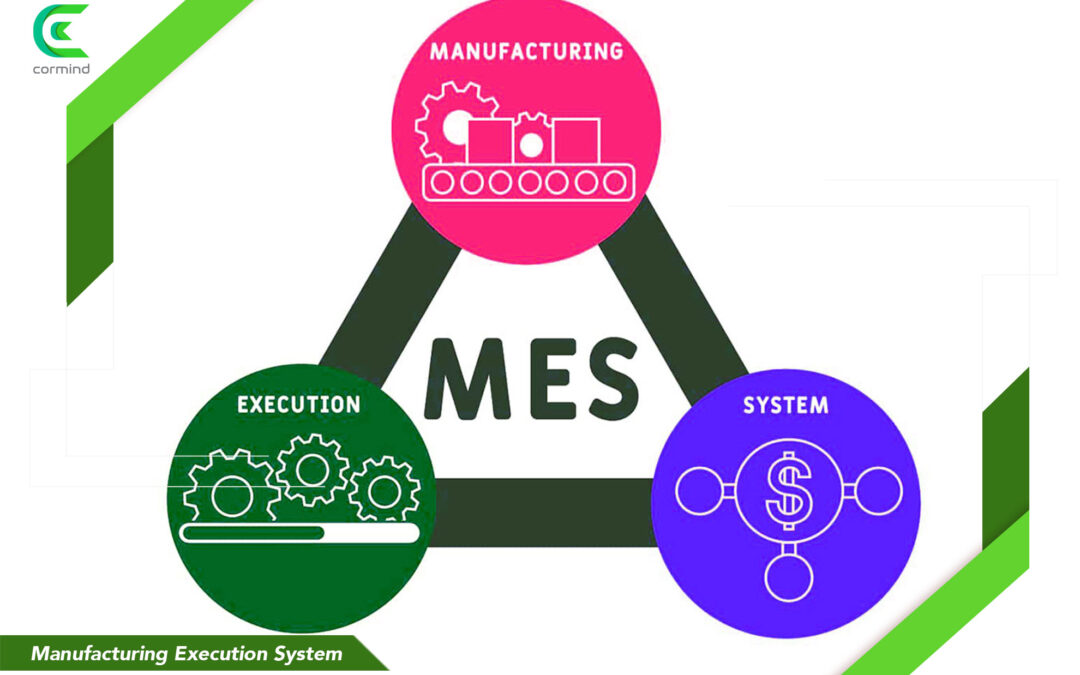
What is MES?
Manufacturing Execution System (MES); is an information system that connects monitors and controls to production systems and data flows that take place in a factory or workshop. The overall goal of MES is to ensure that manufacturing operations are carried out effectively and to improve production output. This is achieved by monitoring and collecting real-time and accurate data about a complete product life management cycle.
The abbreviation of the production management system, whose full name in English is Manufacturing Execution System, is MES. It is an all-encompassing system that regulates and monitors everything that goes on in the workplace at any one time. The process begins with a variety of orders from consumers, the MRP system, the master programme, and other sources of planning, and then it makes the goods in the manner that is most productive, cost-effective, convenient, and of the highest possible quality.
History of MES
The MES has undergone significant development. Throughout the 1970s, industrial companies began automating their accounting processes by using software programs. These apps have, during the course of their development, come to offer standardized functionality for inventory management. MRP (Material Requirements Planning) systems that were able to do material planning, material management, and production definition were available during the end of the 1970s and the beginning of the 1980s.
AMR Research was the company that originally popularized the phrase “manufacturing execution system” in 1992. The company describes a manufacturing execution system as “a dynamic information system that facilitates the efficient execution of manufacturing activities.” The first generation of manufacturing execution system (MES) models were first built to reflect a company’s existing manufacturing process in field applications.
The Manufacturing Execution System (MES) started out as a straightforward program for data collecting in the late 1980s, but it has since developed into more cutting-edge software.

mes
MES Core Functions
In 1995, the ISA-95 standard was developed by the American National Standards Institute (ANSI) with the mission of providing abstract models and standard terminologies for the exchange of information between business systems and production operation systems in an enterprise.
Its 11th model, published in 1997, has the basic functions of a production management system. This model showed functions including scheduling and sequencing, maintenance and quality.
In its most current form, the basic core functions of MES include:
- Data collection and collection.
- Timing.
- Personnel and resource management.
- Process management.
- Performance analysis and document management.
Manufacturing Execution System Functions
MES can work in various areas of production operation such as resource scheduling, order execution and production analysis. This ensures that production can run without human intervention and maintain an accountable and controlled production flow. A versatile, robust production management system includes functions that are crucial to plants such as;
- Data Collection: All information entry, whether manual or automated, that provides a concise assessment of the entire process.
- Labour Management: Managing the best qualities and characteristics of employees and equipment and using them in the most advantageous areas.
- Product Tracking: It is to easily supervise and manage the process within production in real time.
- Quality Control: To control the quality of the production process and to allow changes and improvement in production.
- Performance Analysis: The system analyses the whole process and identifies areas where there is no efficiency. This allows the system to move closer to the point of efficiency while the process continues.
- Maintenance Management: Inevitable maintenance that does not interfere with production is planned, thus ensuring a smooth production flow.
Implementing a production management system easily reduces waste, increases uptime and reduces inventory through various scheduling methods such as finite scheduling, queue compression and visual scheduling. MES is incredibly beneficial to large and small manufacturing operations in need of production improvement.
What Are the Basic Functions of an MES System?
In modern production environments, it is not enough to simply manufacture products; it is also crucial to monitor processes in real time, use resources efficiently, and maintain continuous quality control. MES systems are comprehensive software solutions that address these needs by digitally managing all stages of production.
Production Tracking and Real-Time Data Collection
MES systems strengthen the data-driven decision-making process by monitoring all operations on the production line in real time. Data from machines, sensors, barcode readers, or operator panels is transferred directly into the system. Thanks to this real-time data collection capability, any deviation, delay, or stoppage in production is immediately detected. This allows for intervention before problems escalate, ensuring the continuity of the process. Additionally, comparisons can be made with historical data, enabling the planning of continuous improvement steps.
Operator and Workstation Management
MES records in detail which operators are working on which stations, which products, and for how long during the production process. This allows the efficiency of the workforce to be analyzed based on objective data. Additionally, overloaded stations can be balanced, and workforce planning can be optimized. Personnel tracking through MES enables more accurate assessments of the human factor in production. This clearly reveals the relationship between labor and production output.
Quality Control and Traceability
Thanks to MES systems, quality controls are performed during production. Measurements taken at each production step are automatically collected through the system and compared with defined quality standards. If there is a non-conformity, the system immediately issues a warning and sends information to the operator or quality control team.
Additionally, traceability data such as which materials, machines, and shifts were used to produce the products is stored. These records enable accurate and swift action to be taken in the event of a recall.
Maintenance Planning and Predictive Analysis
MES systems continuously collect data on machine performance in addition to production data. This information is analyzed based on criteria such as equipment failure history, usage time, and performance values. This transforms maintenance processes from reactive to proactive. Machines with an increased likelihood of failure are identified in advance, and maintenance teams are notified to prevent production interruptions. Predictive maintenance both extends equipment life and guarantees production continuity.
Tracking of Material and Stock Movements
MES systems offer an integrated material management structure with production. Material movements are recorded at every step, from raw material input to semi-finished production and final product output. The details of which materials are used where, how much, and when can be tracked. This system establishes a strong connection between production and the warehouse. Material supply is carried out on time, and unnecessary stock accumulation is prevented. Additionally, the traceability of every component used in production facilitates compliance with quality and regulatory requirements.
Status Reports and Key Performance Indicators (KPIs)
MES systems calculate critical performance indicators (KPIs) related to production processes in real-time and present them in visual reports. Metrics such as OEE, production time, downtime, scrap rates, and efficiency enable decision-makers to assess the current situation in real-time. Through these reports, weak areas are identified, improvement plans are implemented, and a sustainable quality culture in production is supported.
MES and ERP Integration
Sustainable success in production depends on the ability to not only monitor developments on the shop floor in real time, but also to convert this data into strategic decisions. At the same time, this information must work in harmony with corporate-level planning systems. At this point, the integration of MES and ERP (Enterprise Resource Planning) systems provides a critical structure that digitally integrates production management.
ERP systems are planning platforms that manage the overall resource management of a business. They handle functions such as procurement, accounting, human resources, finance, inventory management, and production planning.
What are SAP and MES?
With the development of digital production environments, businesses need to manage high-level processes such as costs, inventory, orders, and planning in an integrated manner, starting with on-site operations. At this point, the compatible operation of global ERP (Enterprise Resource Planning) solutions such as SAP and MES systems creates significant strategic value.
SAP forms the central information infrastructure of the business with its modules covering many areas, from production planning to human resources, financial management, and logistics operations. MES systems collect and manage real-time operational data from the production floor. When these two systems complement each other, real-time information from the field makes SAP’s planning and reporting processes much more accurate and dynamic.
For example, downtime on the production line, actual production quantities, or quality control results are tracked by MES, and when this data is transferred to the SAP system, cost analyses can be performed much more accurately. Similarly, production orders created in SAP are transferred to the field via the MES system, and the actual production data is fed back to SAP. This two-way integration both improves production performance and accelerates decision-making processes.
Key Considerations in MES Applications
MES projects are not limited to software installation. For such projects to succeed, technical infrastructure, human resources, process management, and strategic planning must also be carefully addressed.
Customization Suited to Production Structure
Every business has different production flows, workstations, process durations, and quality criteria. Therefore, MES software should not be a standard package but should be configured specifically to the needs of the business. Modules and screens should be designed to suit actual operations in the field.
Involving All Stakeholders in the Process
MES is not a project that concerns only the IT or production department. The participation of different units such as quality, maintenance, logistics, and human resources in the process increases the effectiveness of the system. All departments should be informed and their opinions should be taken into account from the beginning of the project.
User Training and Awareness
The success of MES depends on operators and managers using the system correctly and effectively. Therefore, role-based training should be provided, and operators in the field should be taught how to use the system in a simple, understandable, and practical manner. Training should be ongoing on a periodic basis.
Coordination Between IT and Production Teams
Since the MES system works in integration with both field data collection devices and ERP systems, technical compatibility is of critical importance. Elements such as IT infrastructure, network connections, and database performance must be planned in harmony with production dynamics. If this coordination is lacking, the desired efficiency cannot be achieved even if the system is operational.
Implementation of a Phased Transition Strategy
Instead of implementing the system across the entire production site at once, a phased transition should be carried out by testing it in pilot areas. This allows the system’s accuracy to be tested, potential errors to be identified early on, and the rollout process to be managed more effectively. Additionally, stress tests and user scenarios must be applied before the system goes live.
Benefits Offered by MES Systems
When properly implemented, MES applications offer businesses both short-term operational gains and long-term strategic benefits.
Increased Operational Efficiency
MES systems monitor every process on the production line second by second, providing managers with complete visibility at the operational level. Parameters such as machine performance, progress at workstations, material flow, and labor utilization are analyzed in real-time, enabling the early detection of any issues in the production process.
This allows for more efficient resource planning, minimizes unexpected bottlenecks on production lines, and significantly increases overall productivity. Additionally, the data obtained enables the creation of more reliable long-term production strategies.
Rapid Detection of Errors and Ability to Intervene
Detecting quality errors in the early stages of production prevents significant costs and time losses. Thanks to MES systems, operator inputs, measurement data from quality control stations, and sensor alerts are centrally collected and analyzed in real time.
The system automatically detects defective products, measurements outside specifications, or values outside the process, significantly reducing intervention time and quickly restoring the production line to normal. This approach is considered the cornerstone of continuous quality assurance systems.
Production Continuity and Cost Control
Predictive maintenance modules integrated with MES systems analyze equipment performance and preemptively identify machines at risk of failure. This replaces unplanned downtime with planned, controlled maintenance processes. Additionally, the amount of material used during production and consumption rates are monitored in real time to prevent unnecessary stockpiling or material shortages.
This holistic control structure not only ensures the continuity of the production line but also enables the efficient management of cost factors such as energy consumption, labor, and consumables.
Advanced Reporting and Performance Measurement
MES systems collect operational data and then make it analyzable, comparable, and usable in a way that directly contributes to management decisions. KPIs such as OEE (Overall Equipment Effectiveness), downtime, product cycle time, labor efficiency, and quality ratios can be monitored in real time from the system.
Thanks to these performance indicators, production processes are continuously reviewed, opportunities for improvement are identified, and managers can make data-driven decisions without wasting time. This makes production organizations more agile and strategic.
Traceability and Auditability
In today’s production processes, transparency and auditability are of great importance not only for maintaining quality standards but also for complying with legal regulations.
MES systems digitally record every step of production. Details such as which product was produced on which machines, by which workers, during which shift, and with which batch of raw materials are stored in the system. This minimizes recall risks and ensures that external audit processes run smoothly. Additionally, this high level of traceability increases customer confidence and strengthens brand value.
Examples of MES Use in Different Sectors
MES systems provide a powerful infrastructure that adds value in a wide range of sectors by bringing flexibility and control to production processes. These systems, which can be adapted to the specific needs and regulations of each sector, provide effective solutions in many areas, including increased efficiency, quality management, traceability of production data, and legal compliance.
Automotive Sector
The automotive industry is one of the sectors that maximizes the efficiency of MES systems through high-volume production and precise assembly processes. MES supports the seamless progression of the assembly process by tracking every part on the production line.
Additionally, quality data collected during production enables the immediate detection of any deviations or errors. Modules such as VIN (vehicle identification number)-based production tracking, batch-by-batch analysis, and maintenance reminders are of critical importance, particularly for OEMs and Tier-1 suppliers.
Food and Beverage Industry
Food safety is one of the most critical issues in this sector. MES systems track all stages of the production process on a lot basis, recording which product was produced when, with which raw materials, and under what conditions. Environmental data such as temperature, humidity, and hygiene controls are also tracked through the system.
This ensures compliance with legal regulations and enables quick action in the event of a recall, thereby protecting brand reputation.
Pharmaceutical and Medical Sector
MES plays a critical role in ensuring compliance with international regulations such as GMP (Good Manufacturing Practices) in pharmaceutical and medical production. Detailed process records are kept for each production batch, and all quality controls performed during production are monitored in real-time.
Additionally, features such as electronic signatures and approval workflows enable compliance with the requirements of regulatory bodies like the FDA or the Ministry of Health/TİTCK. In this highly regulated sector, where product safety and traceability are strictly monitored, MES systems form the foundation of the digital production infrastructure.
Electronics and High-Tech Sector
Production processes in this sector involve highly complex and sensitive steps. MES systems minimize error margins by recording even micro-level production variables. Critical information such as test data, quality measurements, and component history is tracked in detail through the system.
At the same time, full traceability is provided to identify the source of any faults that may occur throughout the product life cycle. This improves product quality while also providing valuable data flow to R&D processes.
Aviation and Defense Industry
In these sectors, managing production processes requires an approach that goes beyond technical skills. Compliance with legal regulations and adherence to safety standards must be meticulously monitored at every stage of operations.
MES systems record every screw, part, weld, and assembly step in the production of aircraft parts or defense industry products in detail. Critical systems are fully documented, including when and by whom they were produced and what tests they underwent. Maintenance planning, validation processes, and high-precision quality control requirements can be managed flawlessly with the MES infrastructure.
Frequently Asked Questions
Are MES and SCADA the same thing?
While SCADA controls field devices, MES manages processes and performs data analytics.
Can MES be used in small-scale businesses?
MES solutions, which are scalable, can be adapted to small and medium-sized manufacturers.
How long does it take to complete MES installation?
Depending on the scope of the project, it typically takes between 2 and 6 months to complete.
Is MES only applicable to production?
While primarily used for production, it also offers integrated solutions for support processes such as maintenance, quality control, and material movement management.
Benefits (Advantages) of Manufacturing Execution System
Some advantages of the production management system are listed below:
- – Reduce Production Cycle Time
- – Reduce Work-in-Process
- – Reduce Lead Time
- – Improve Product Quality
- – Improve Customer Service
- – Reduce Installation Cost
Although a manufacturing execution system is highly advantageous, it is not enough on its own to successfully optimise production. While project managers are looking for ways to further increase production, many consider advanced planning and scheduling (APS) systems to be a viable solution.
How MES and ERP work together?
Both MES and ERP (enterprise resource planning software) have the ability to work together. Since both software bring different features to the forefront, using them together will help you to better finalise your business. Both software can be integrated, which can improve operational clarity and equip organisations with the ability to monitor and adjust performance according to business plans.
ERP knows why decisions need to be made and MES knows how to make these decisions.
Contact us for detailed information about mes software or for installation in your existing business. Let’s calculate together what your company will gain in the short term and long term. Remember, there is no initial setup fee in the mes system we install.